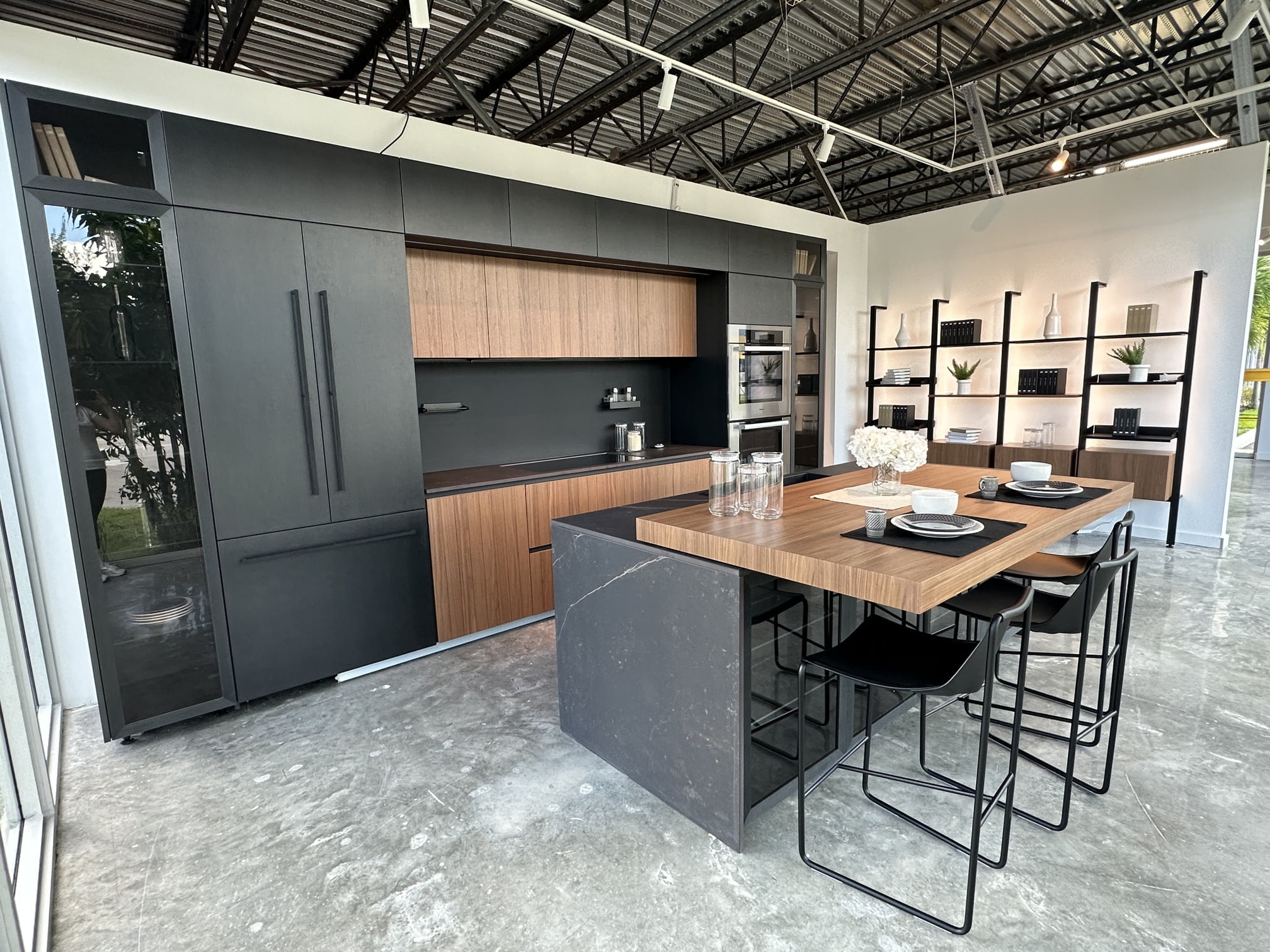
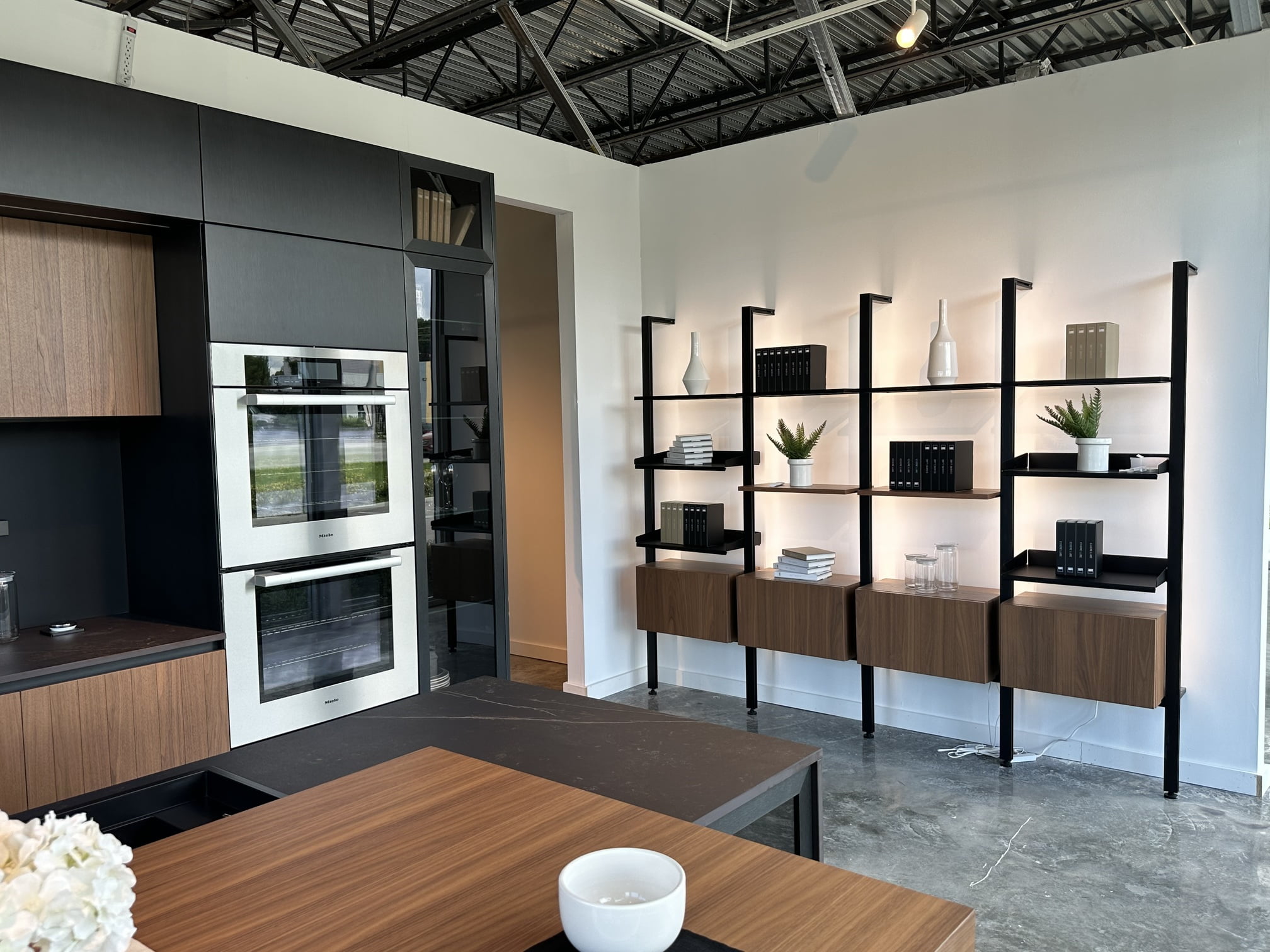
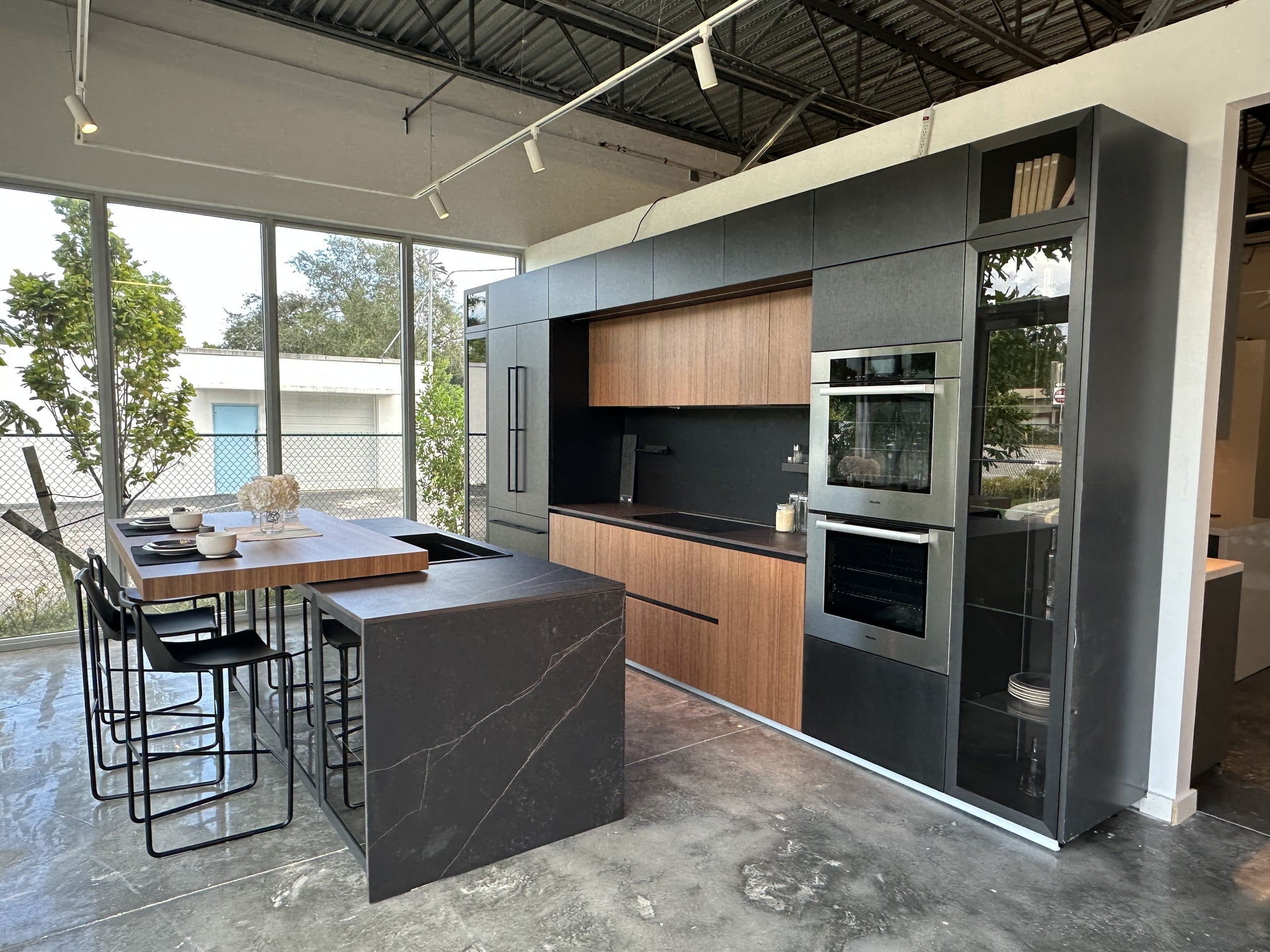
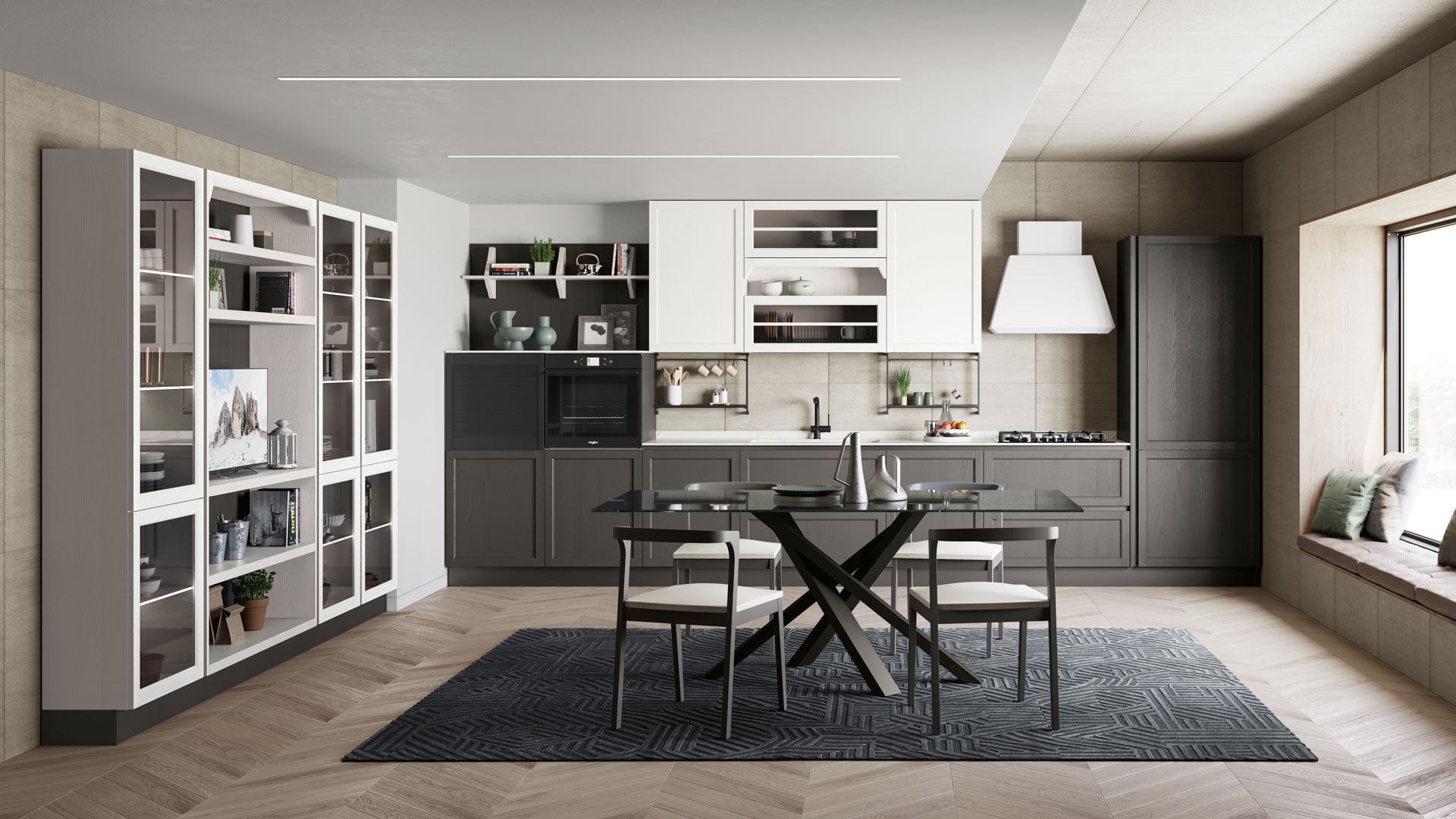
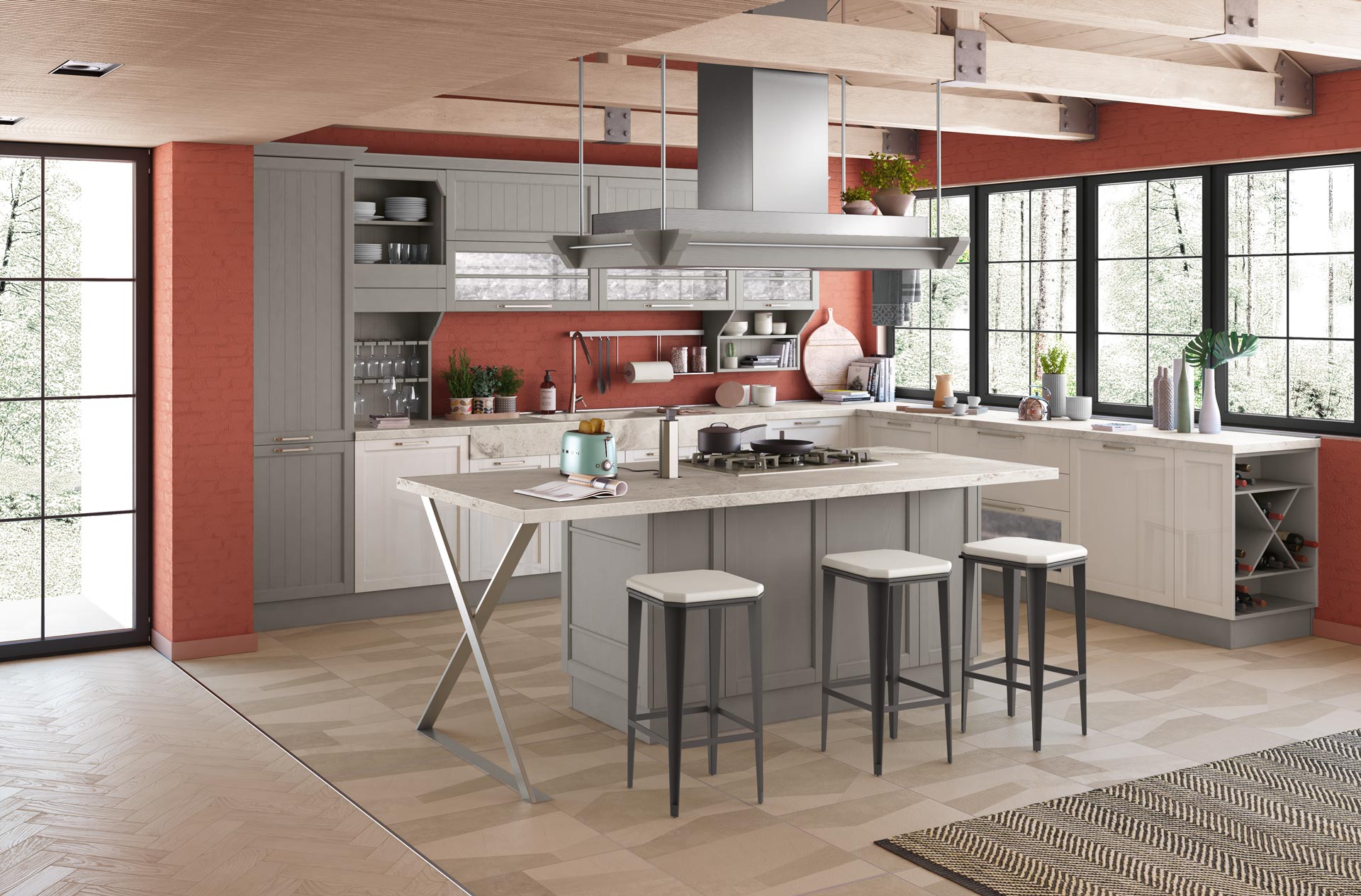
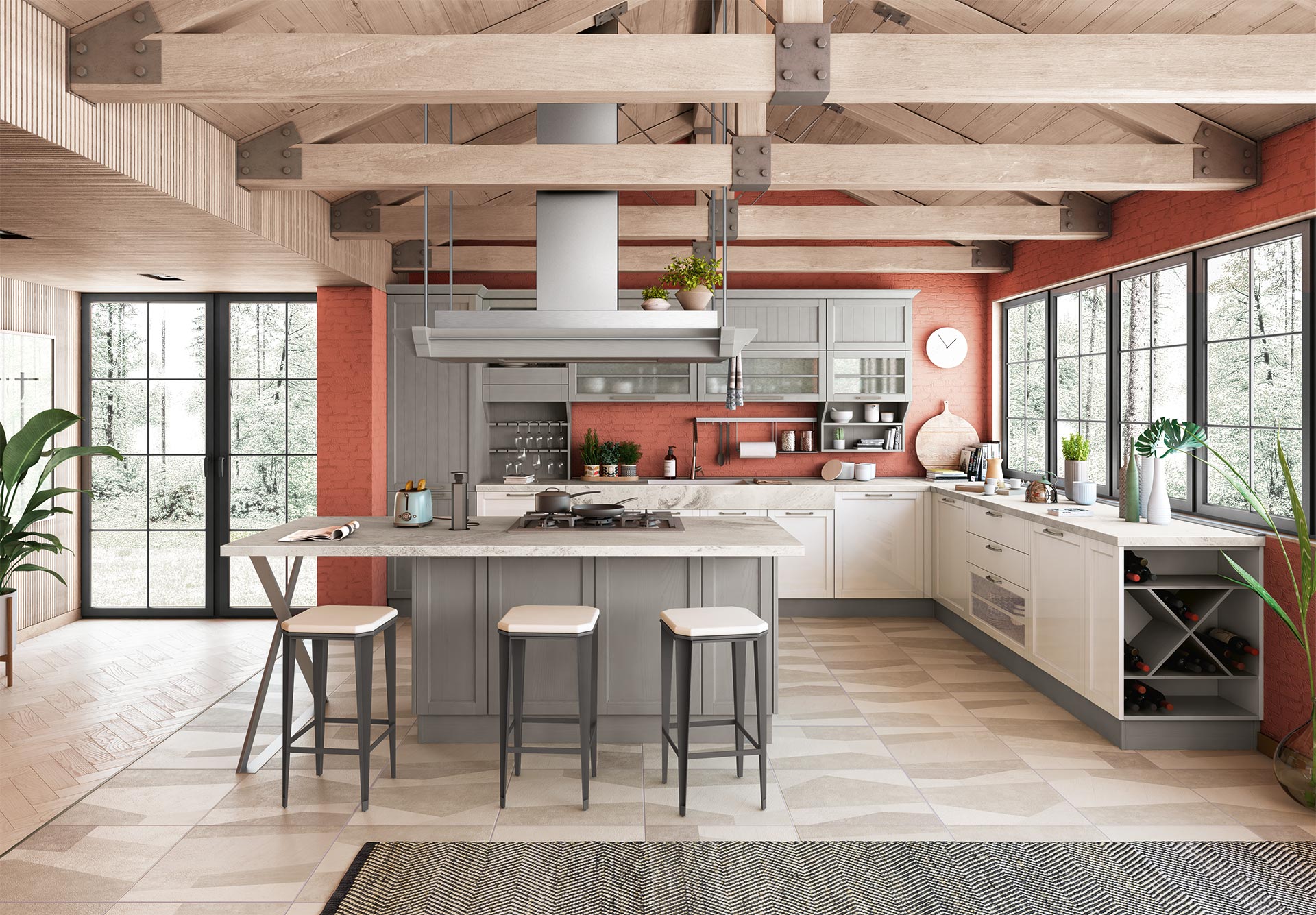
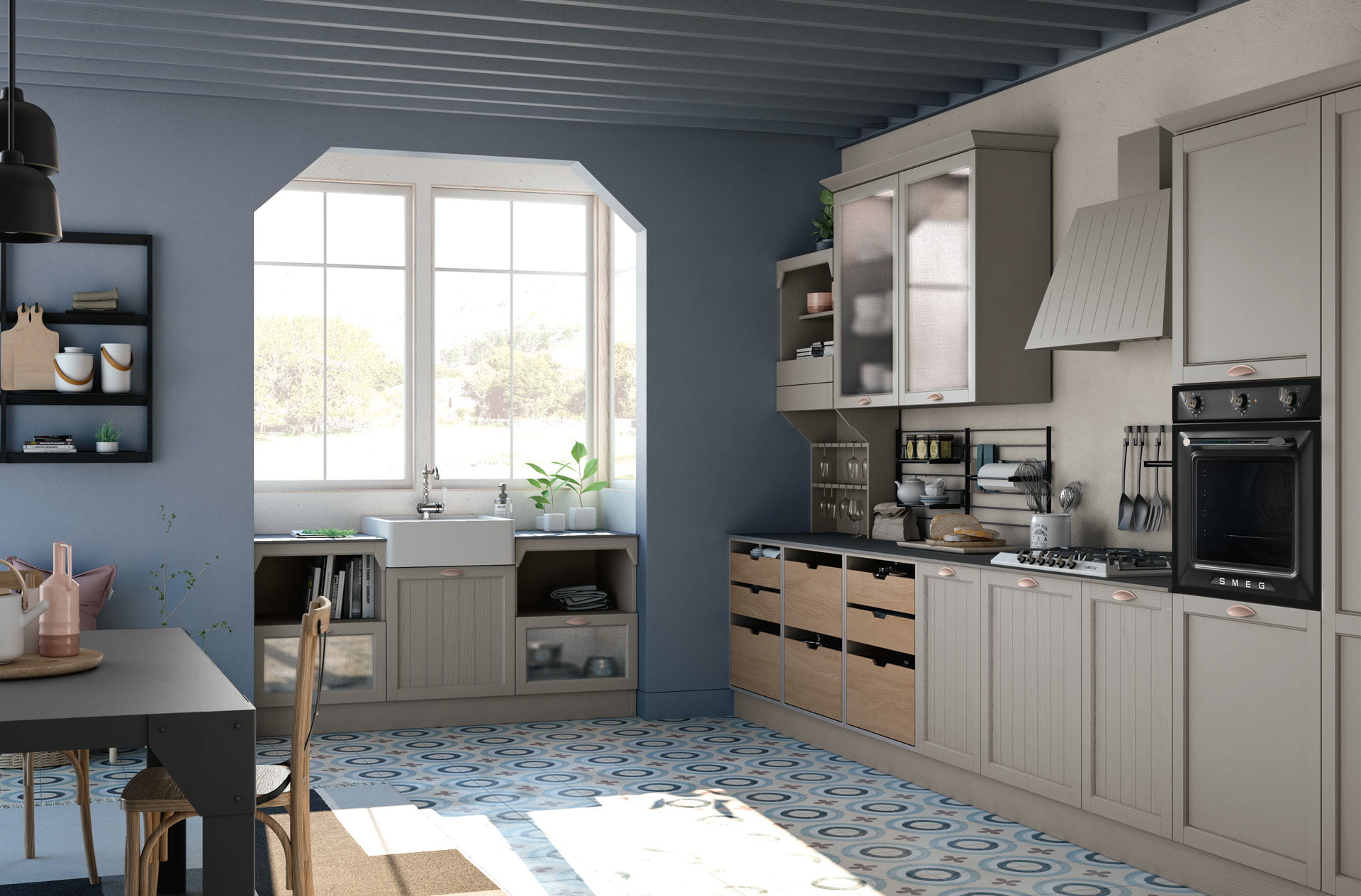
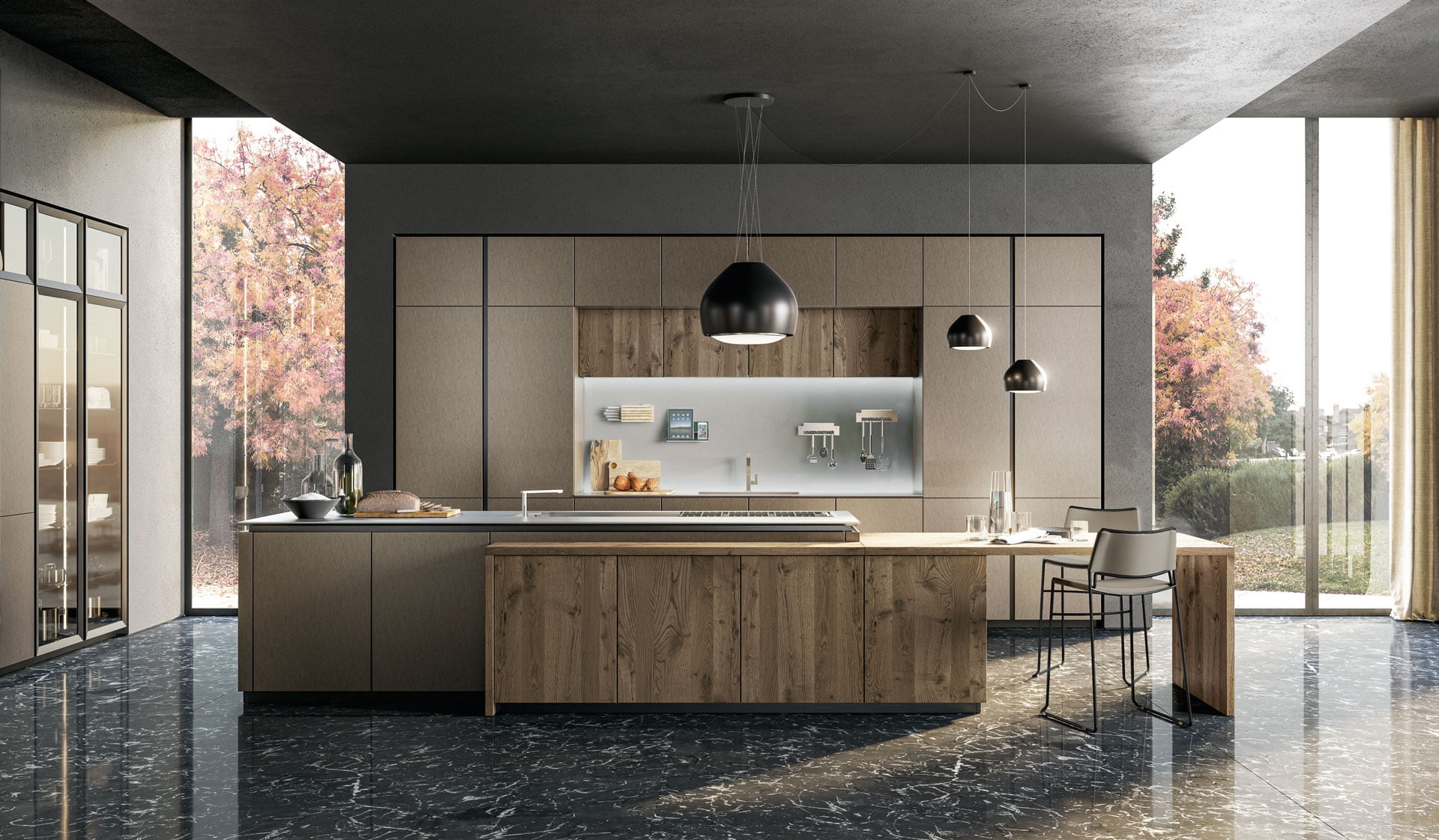
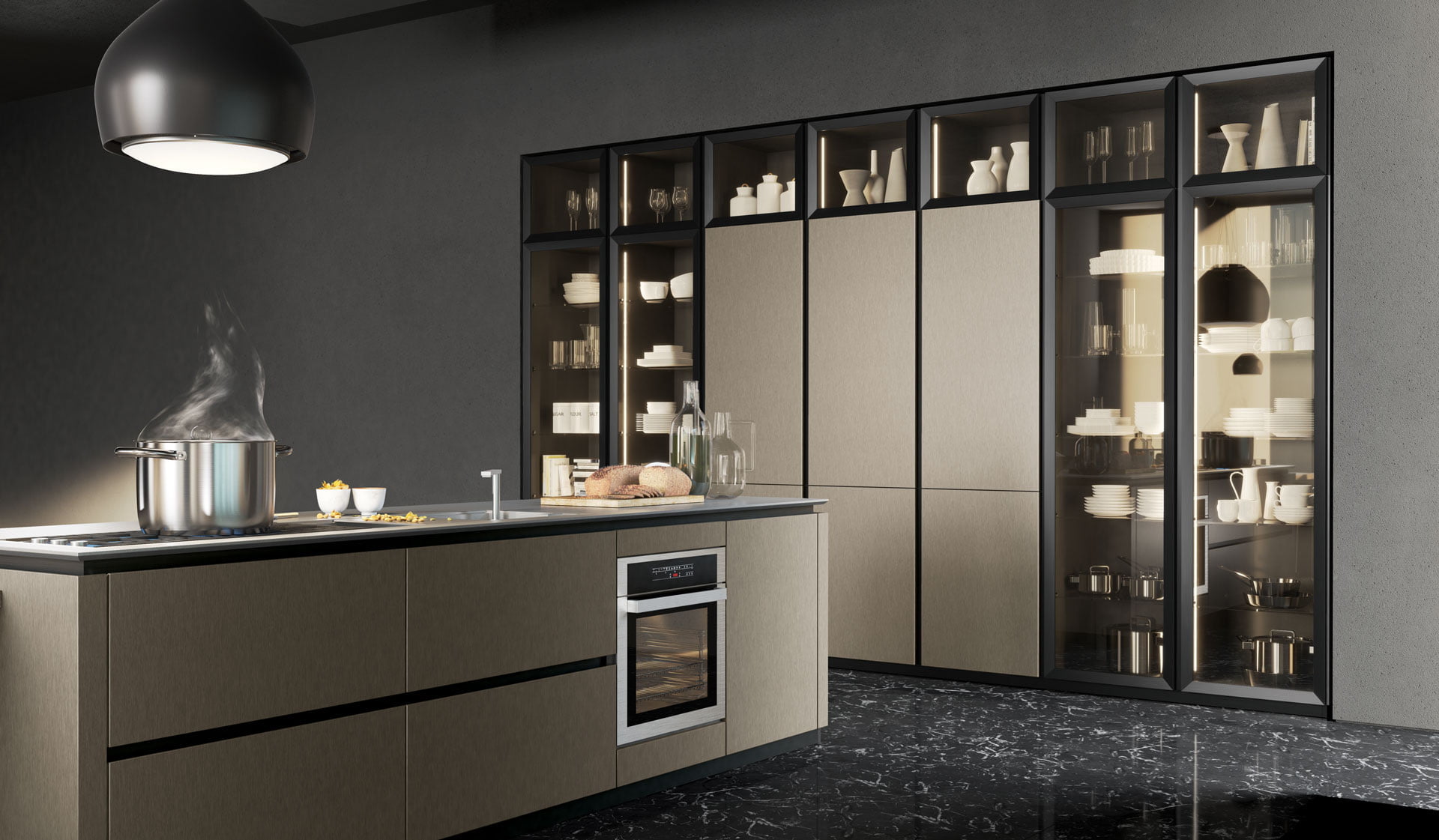

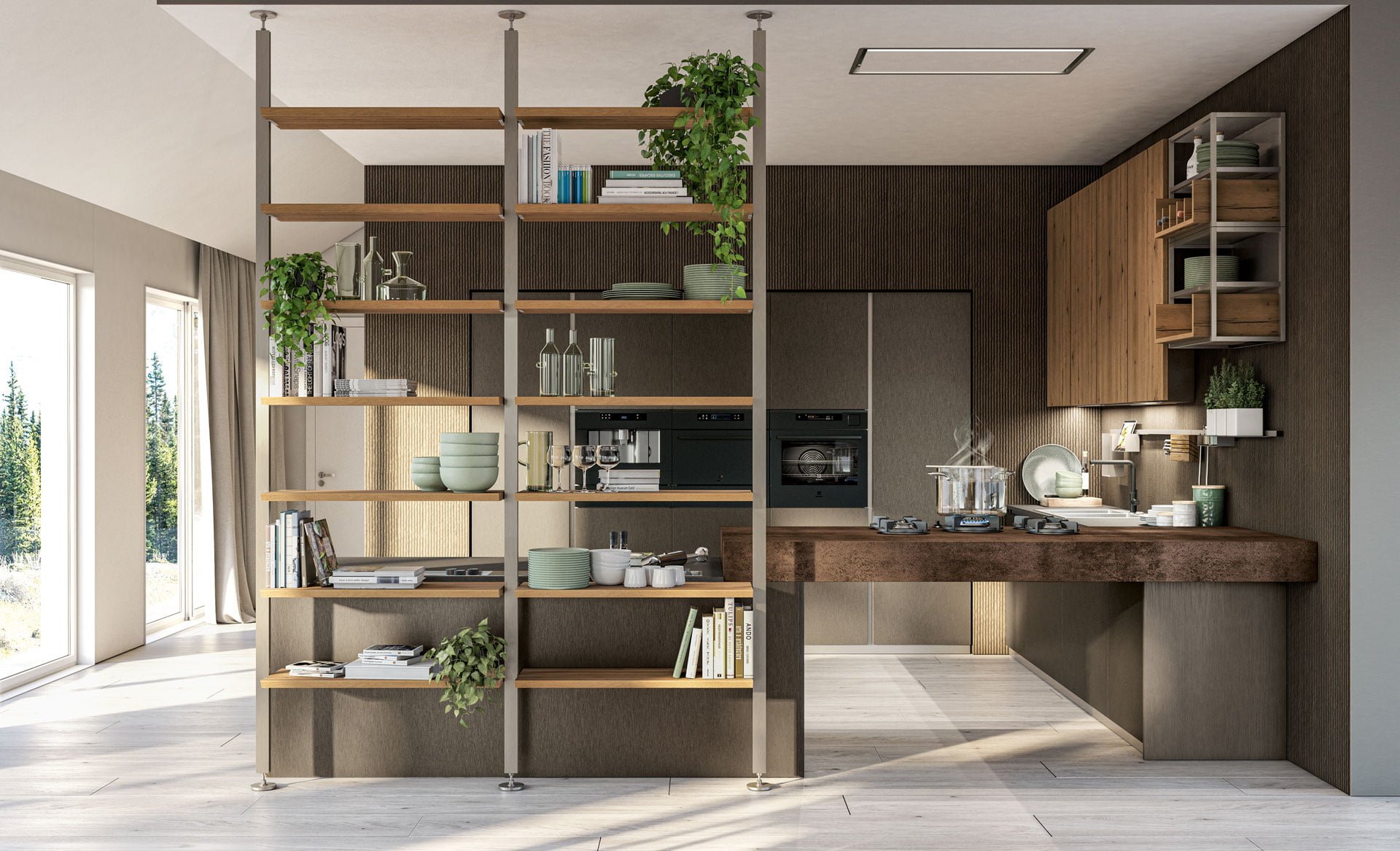
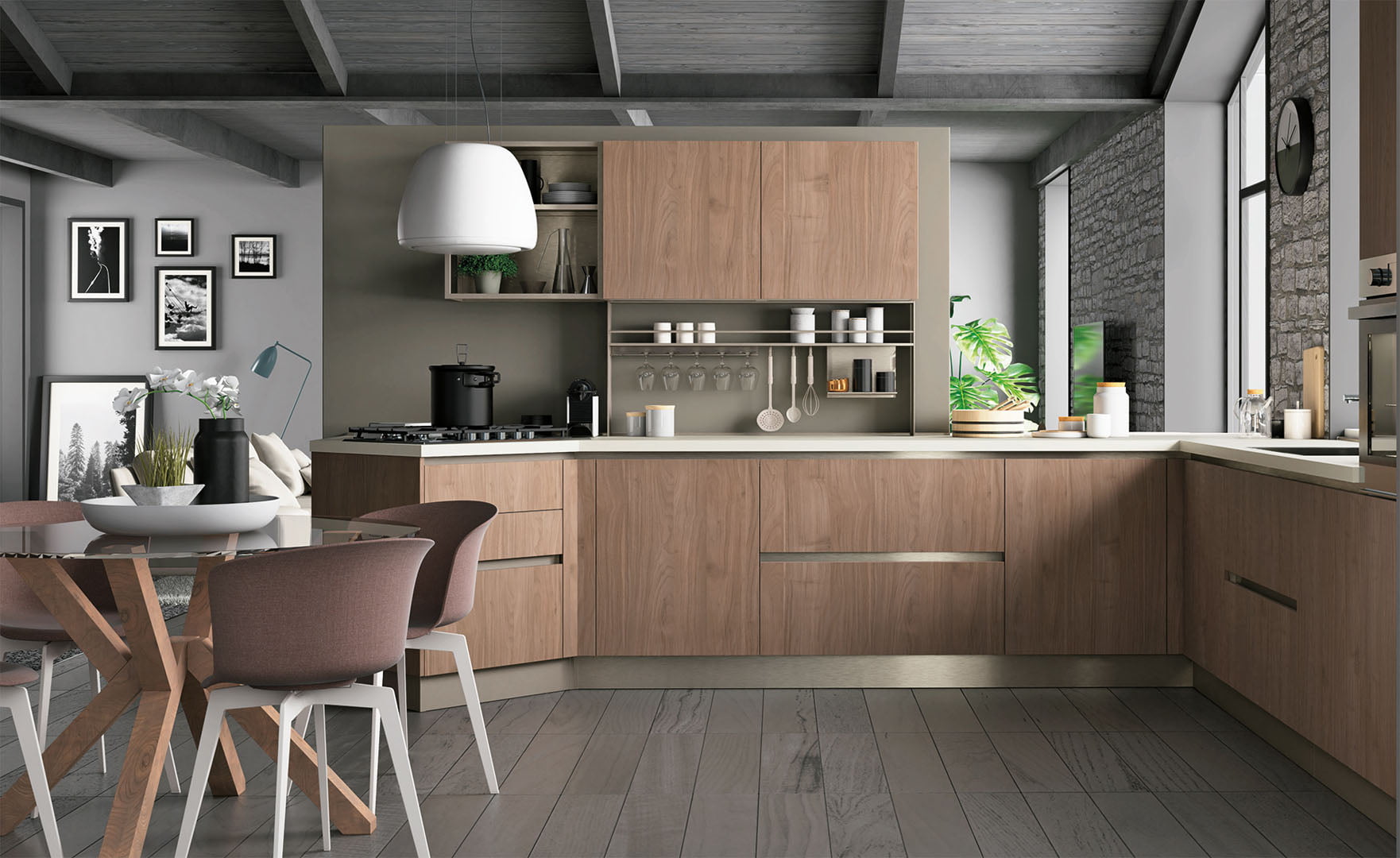
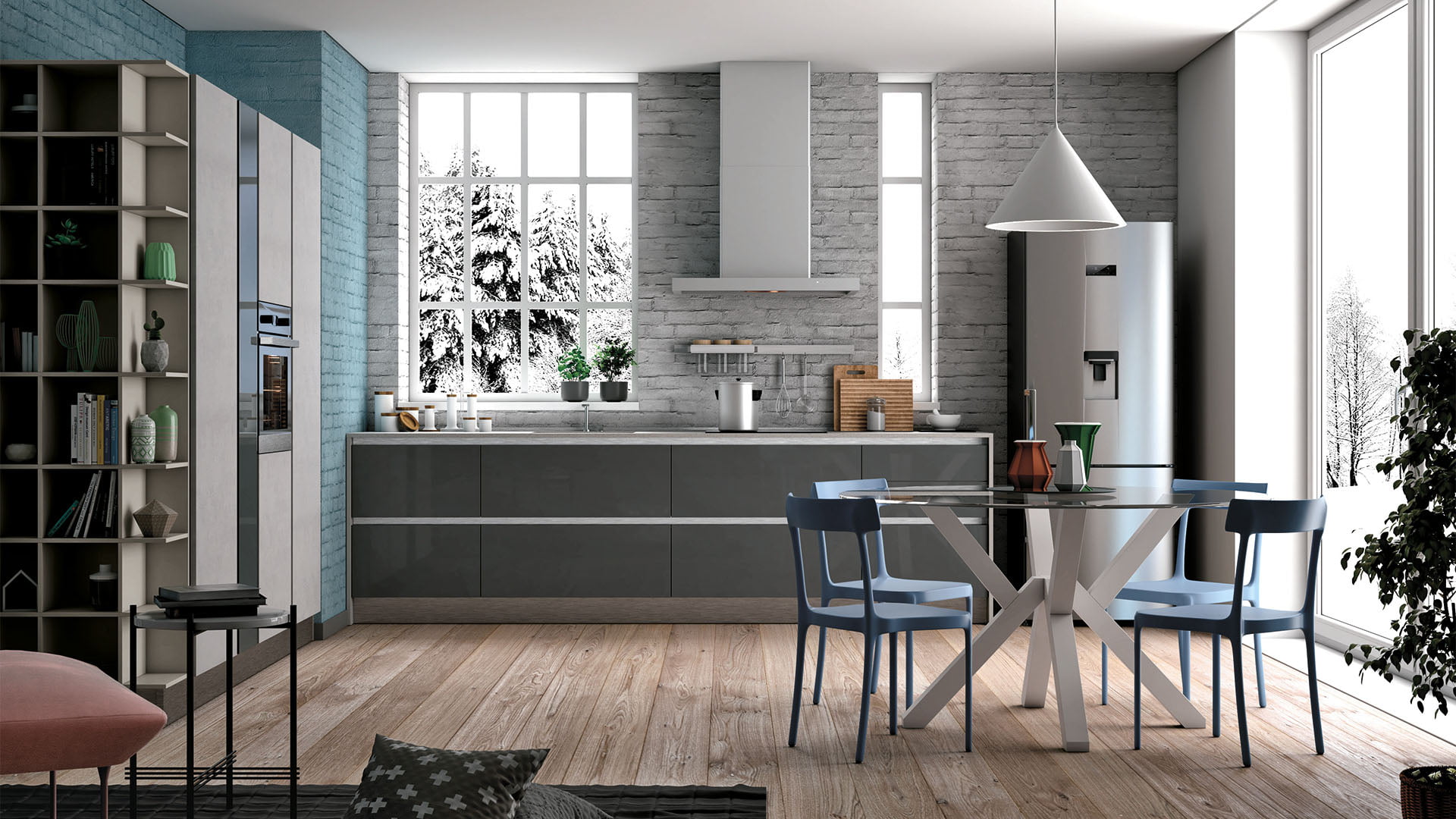
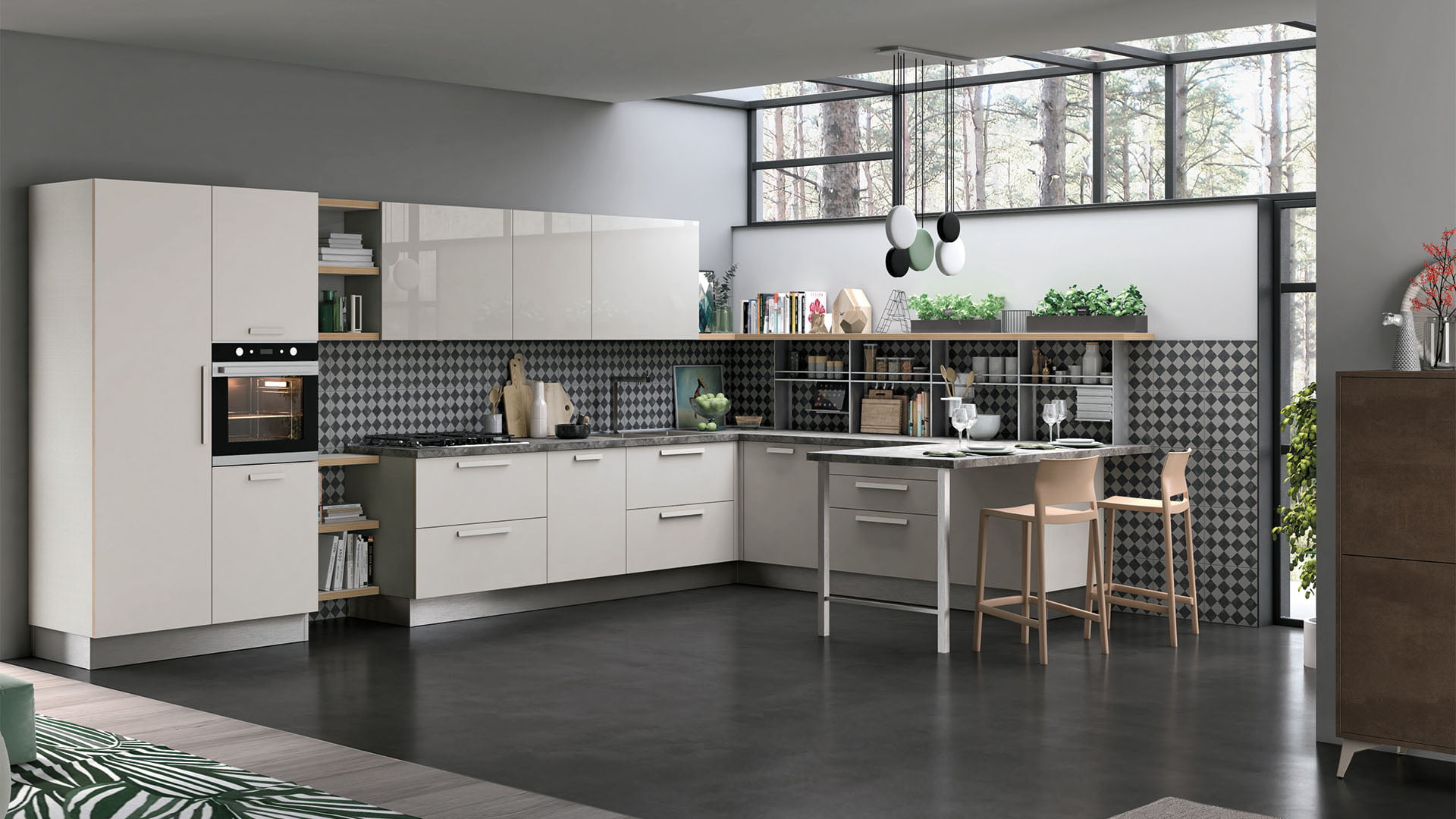
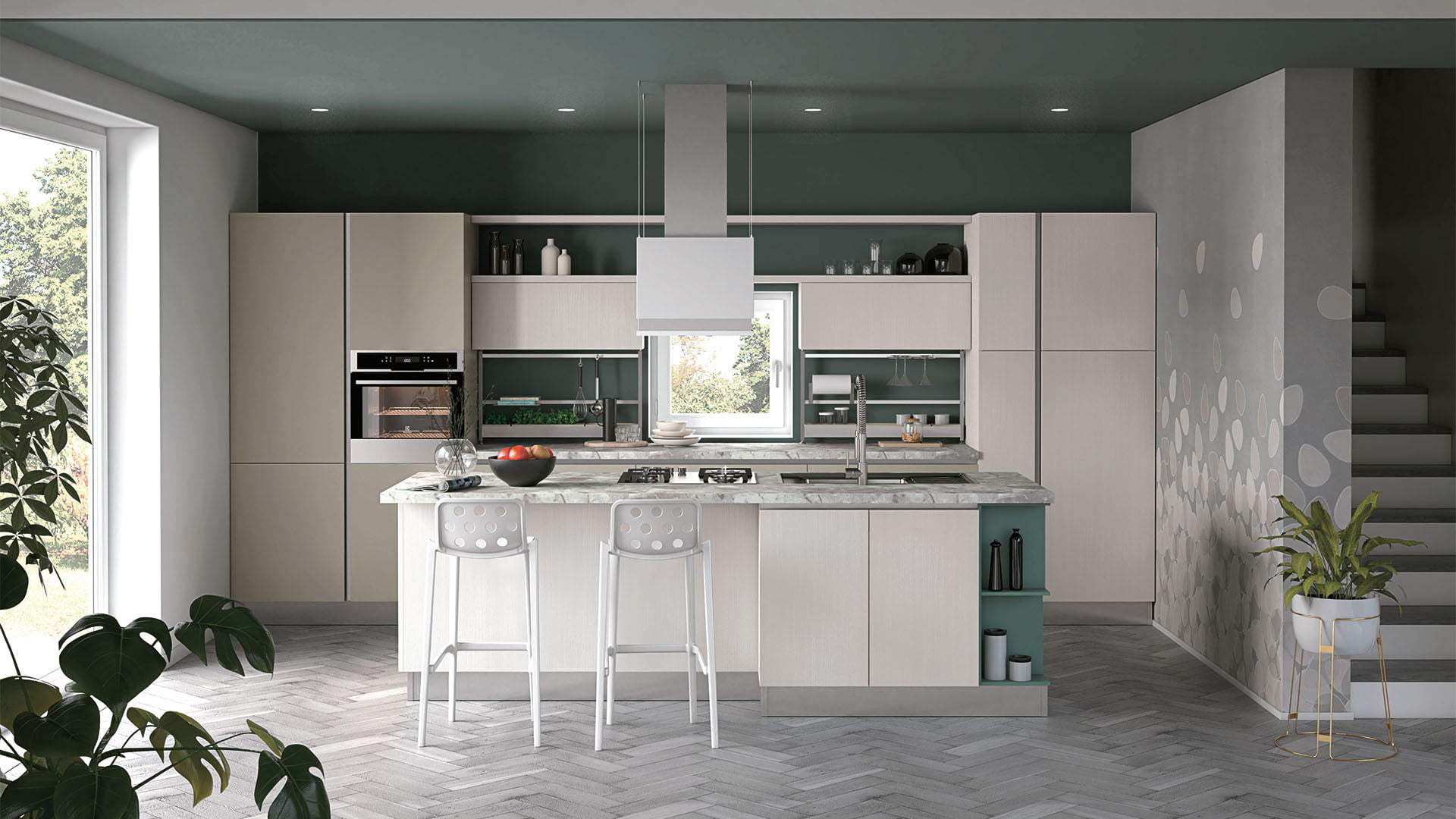
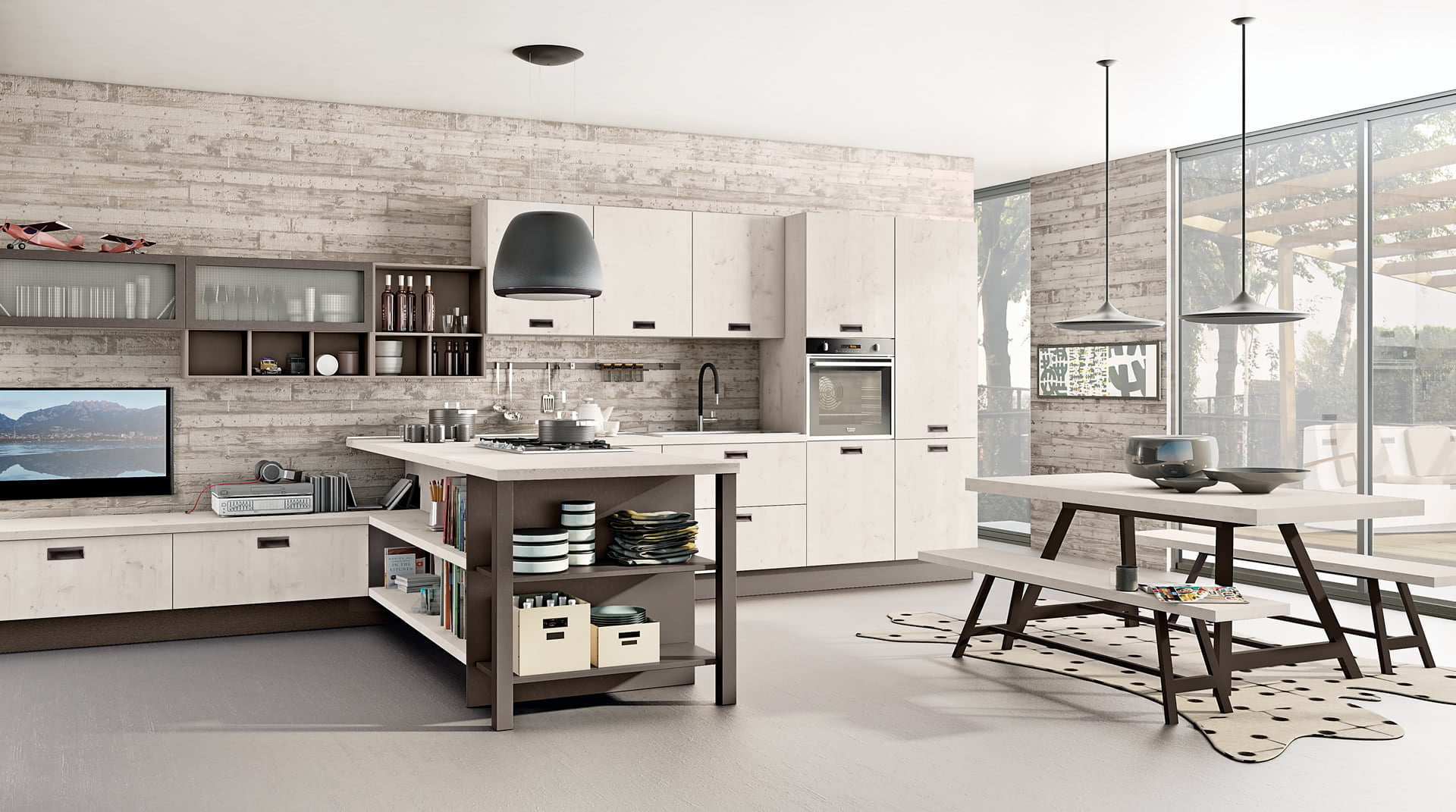
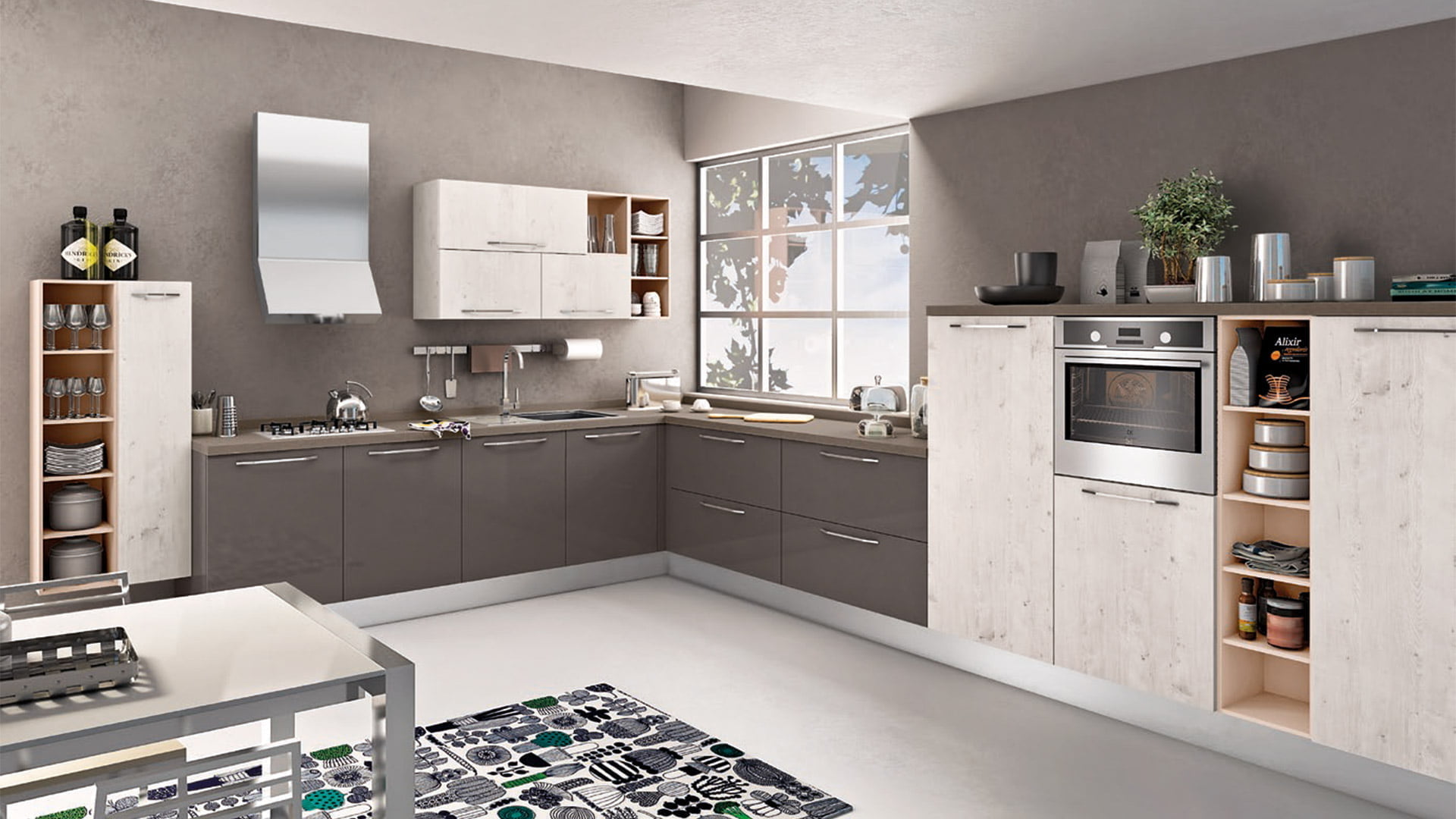
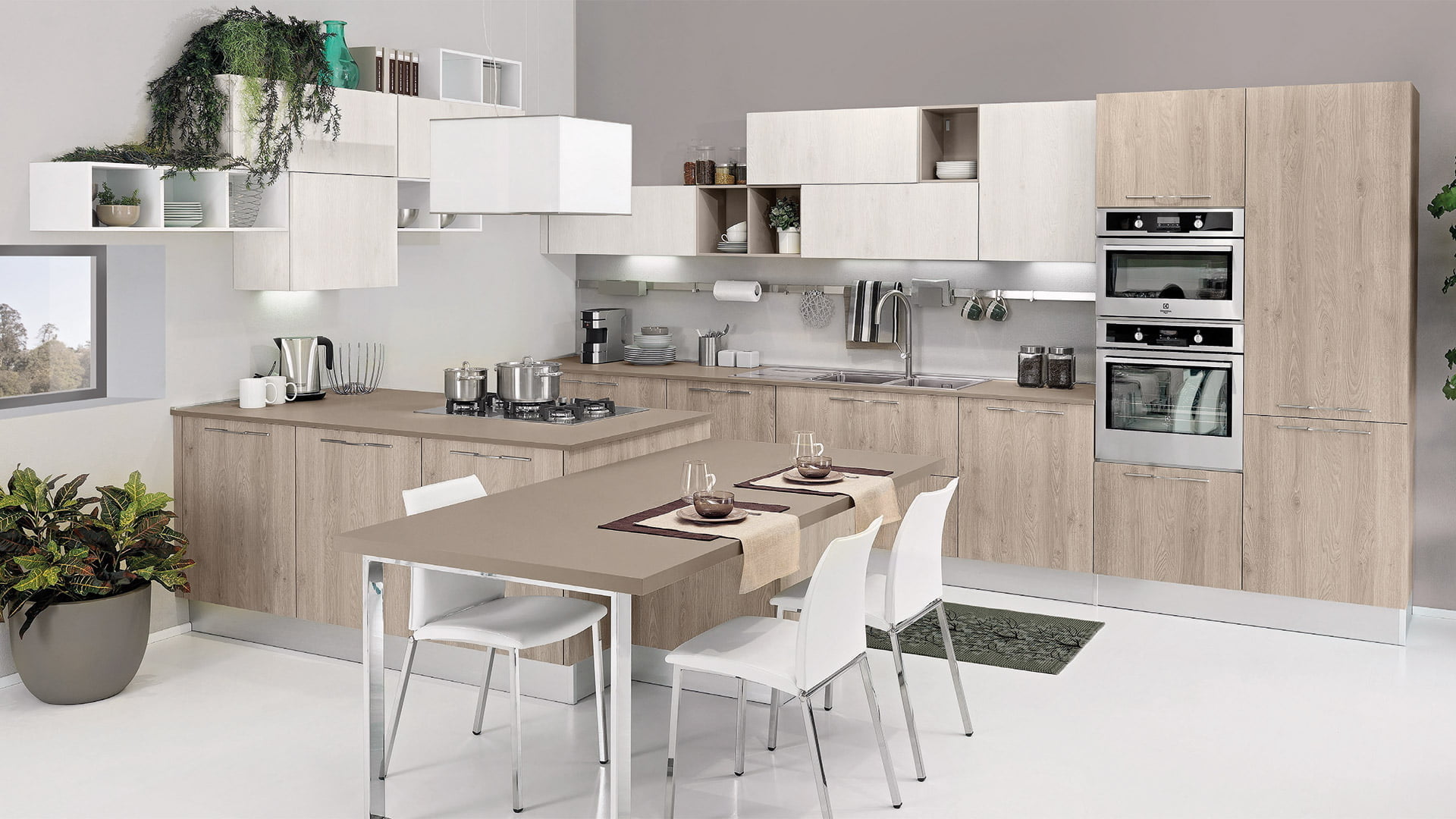
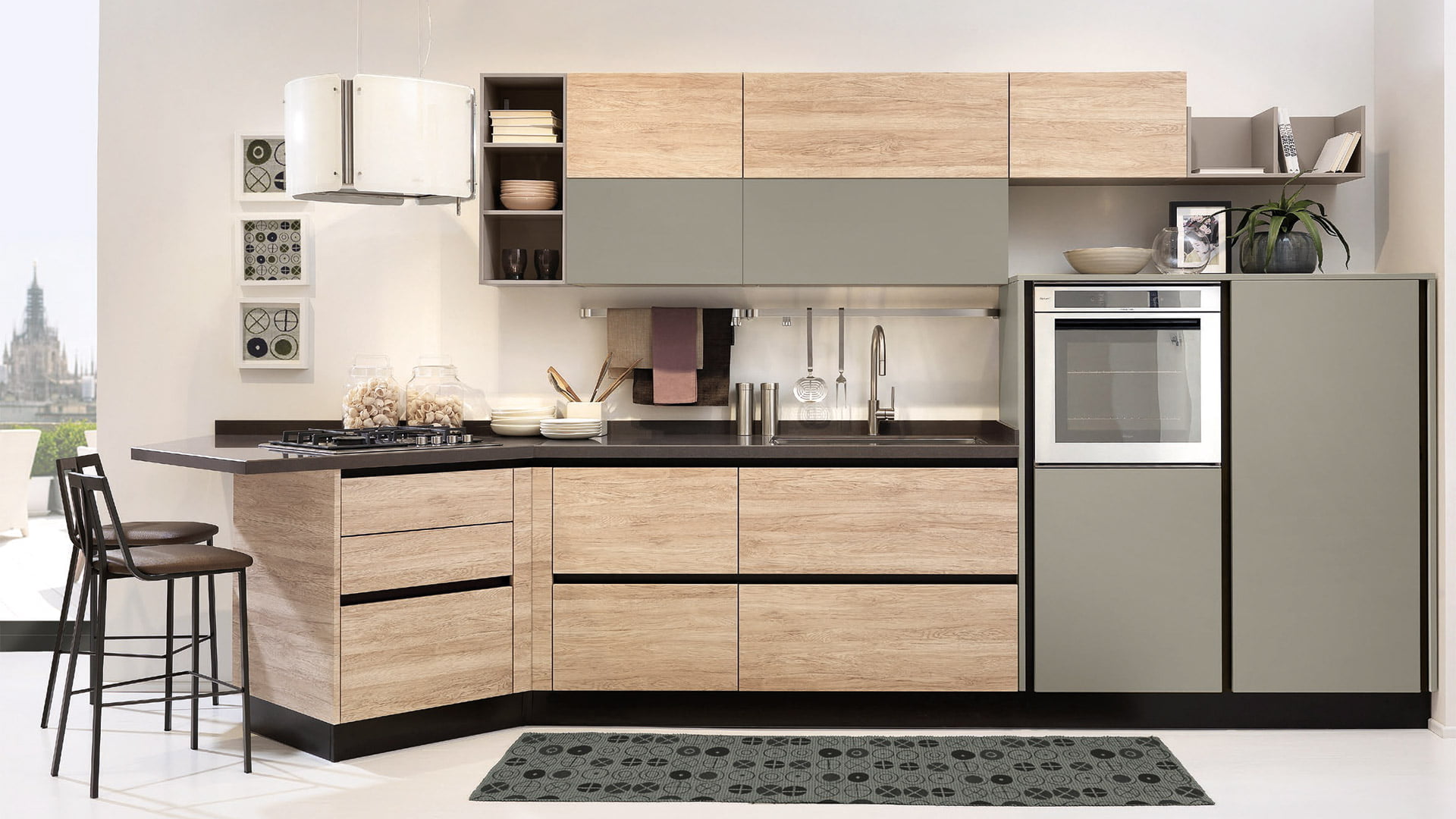
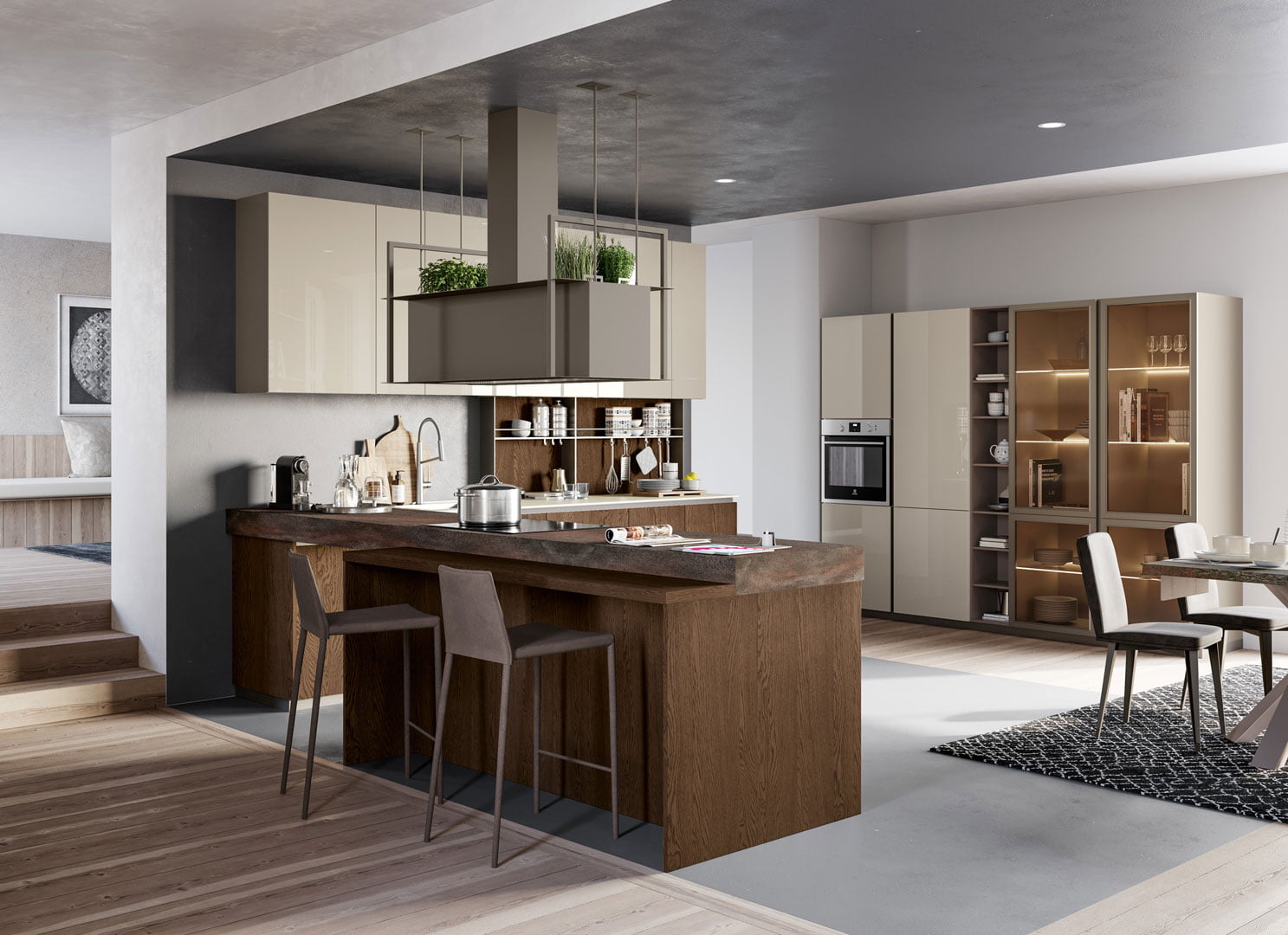
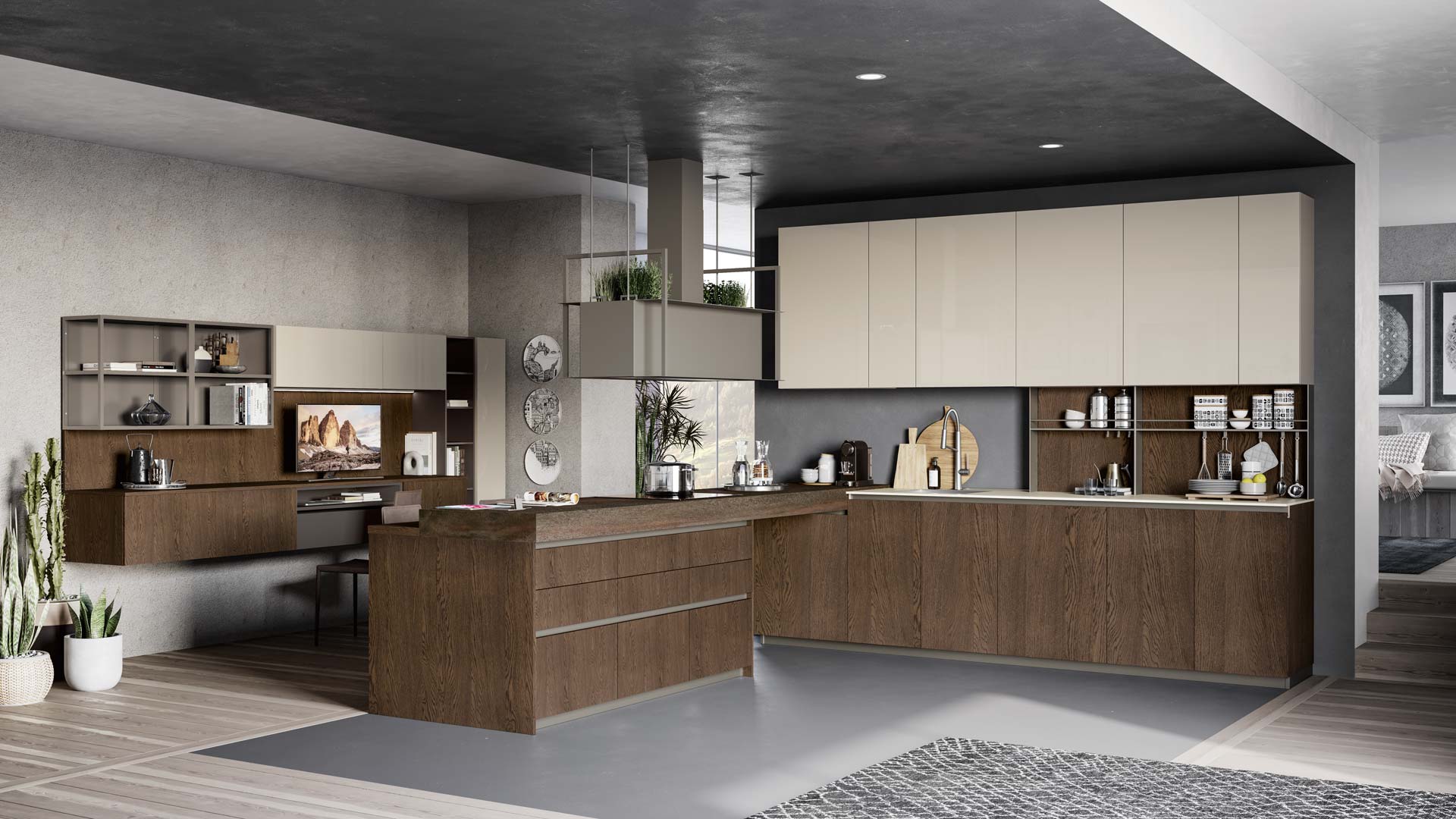
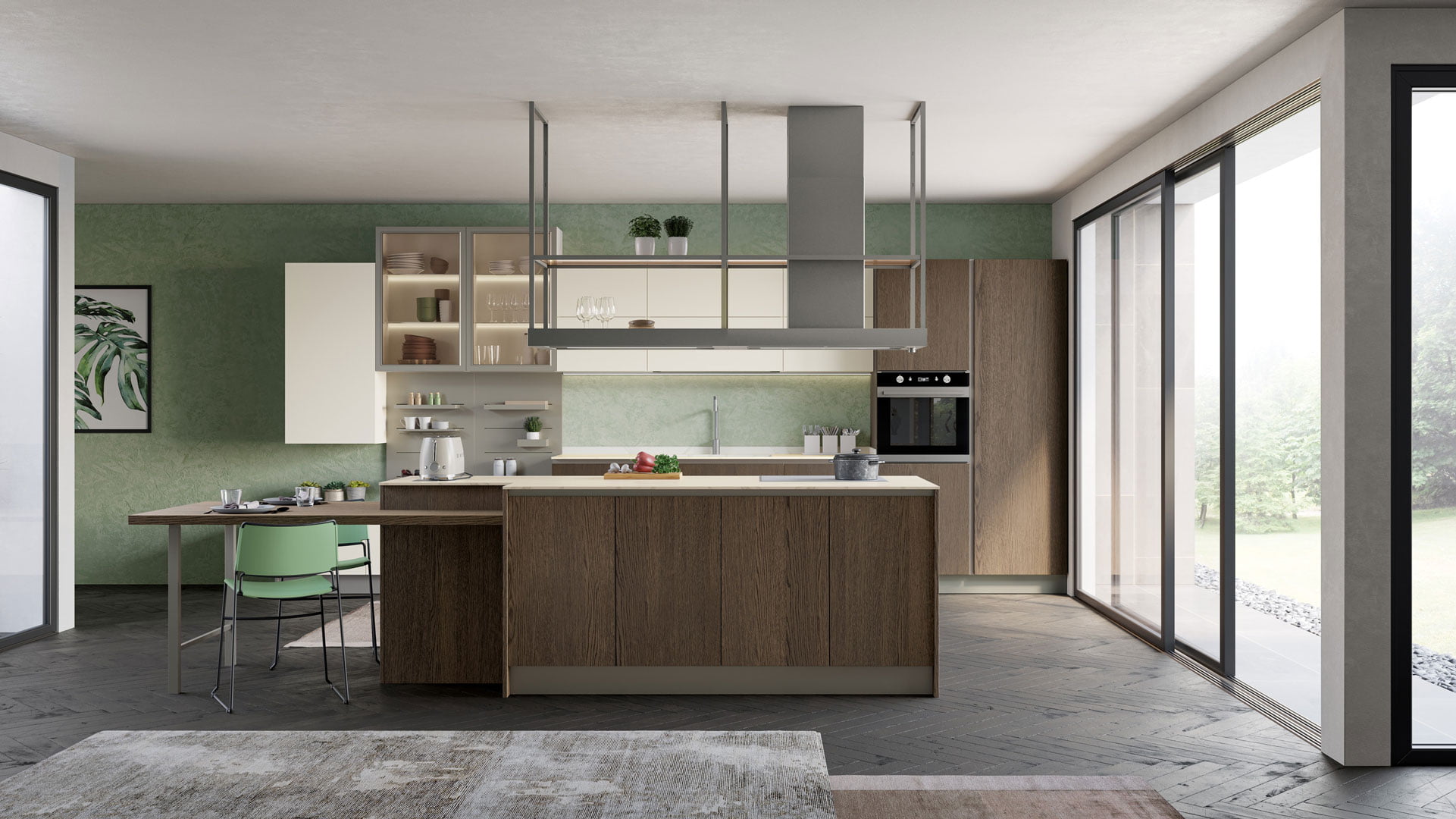
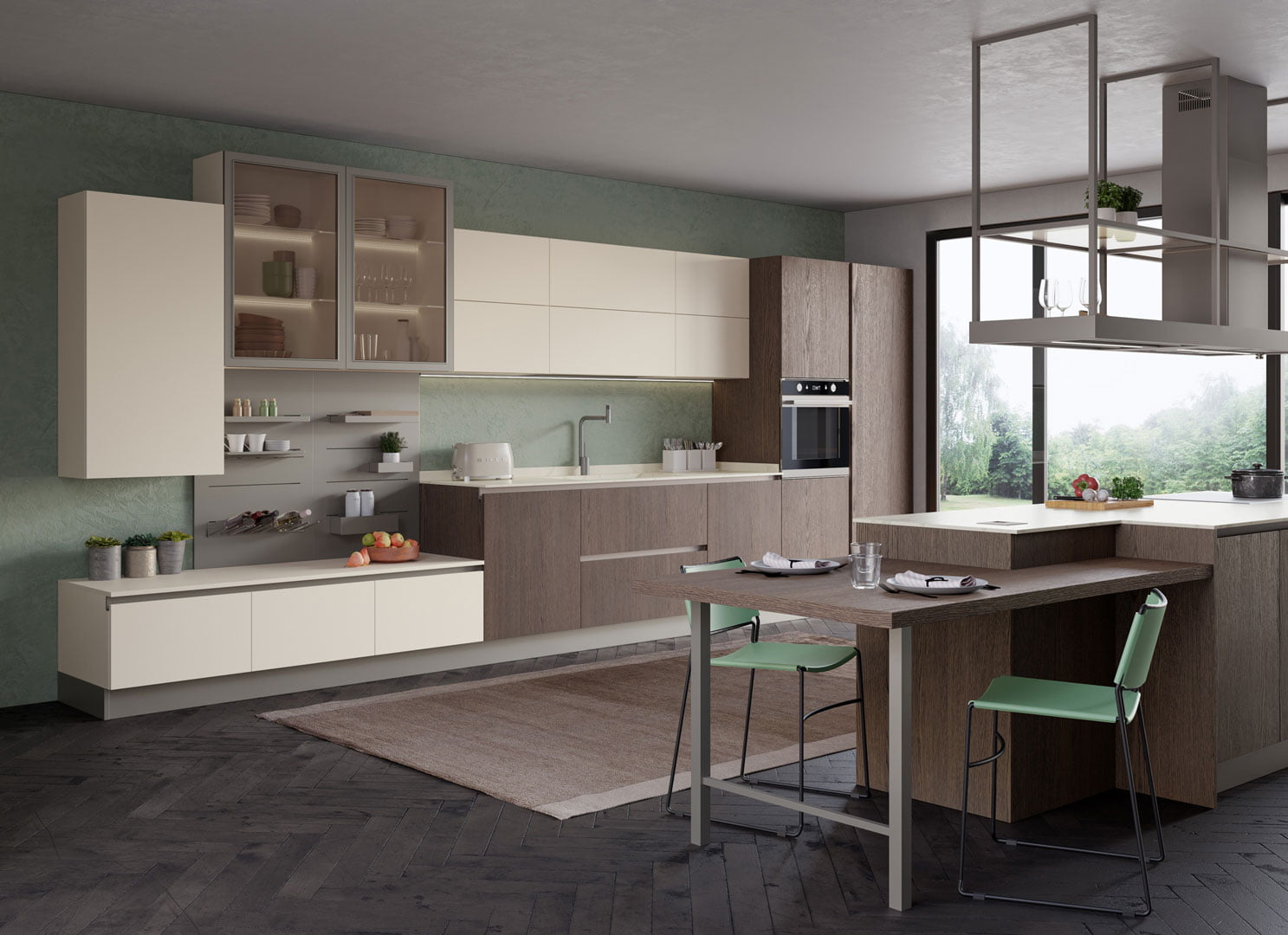
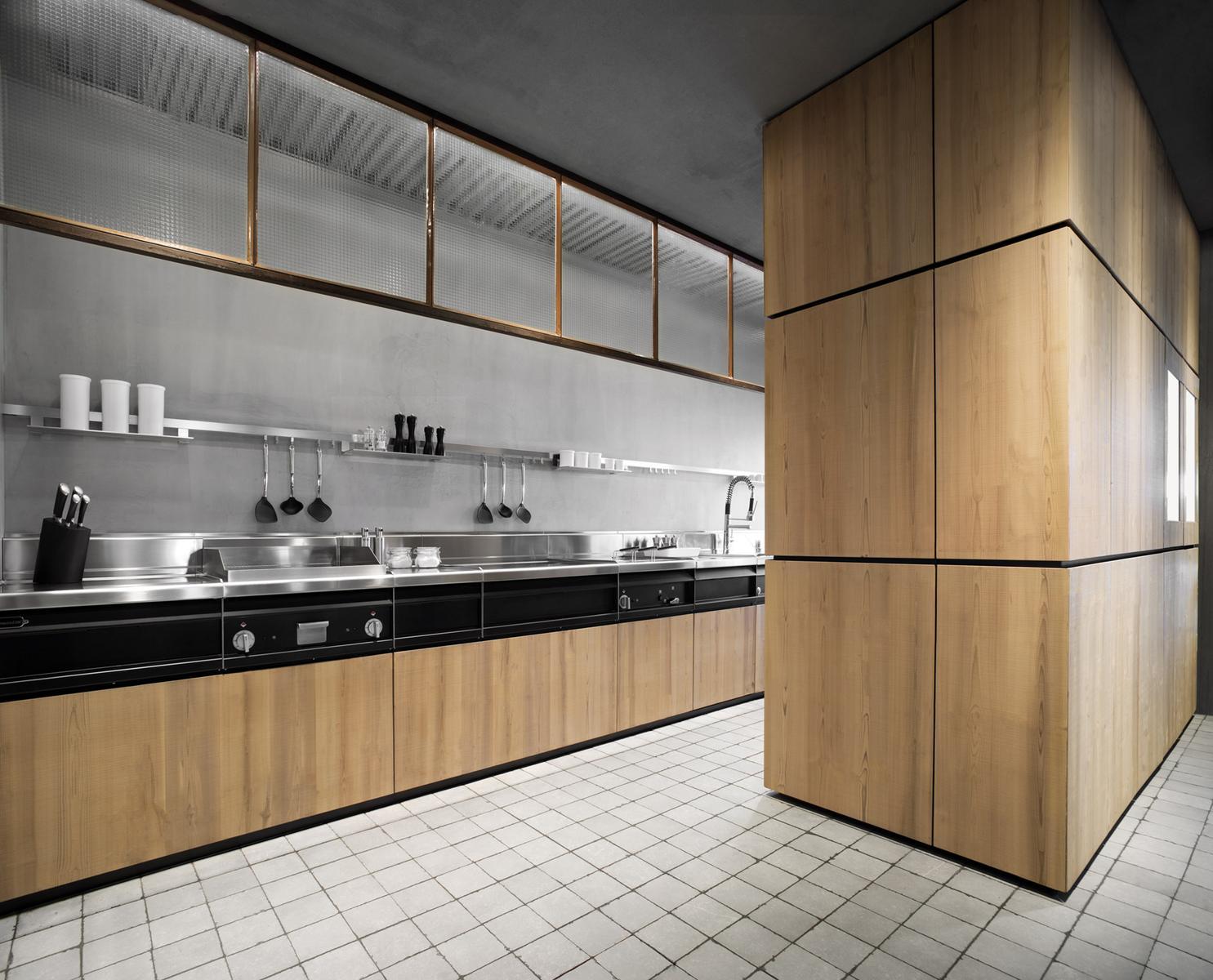
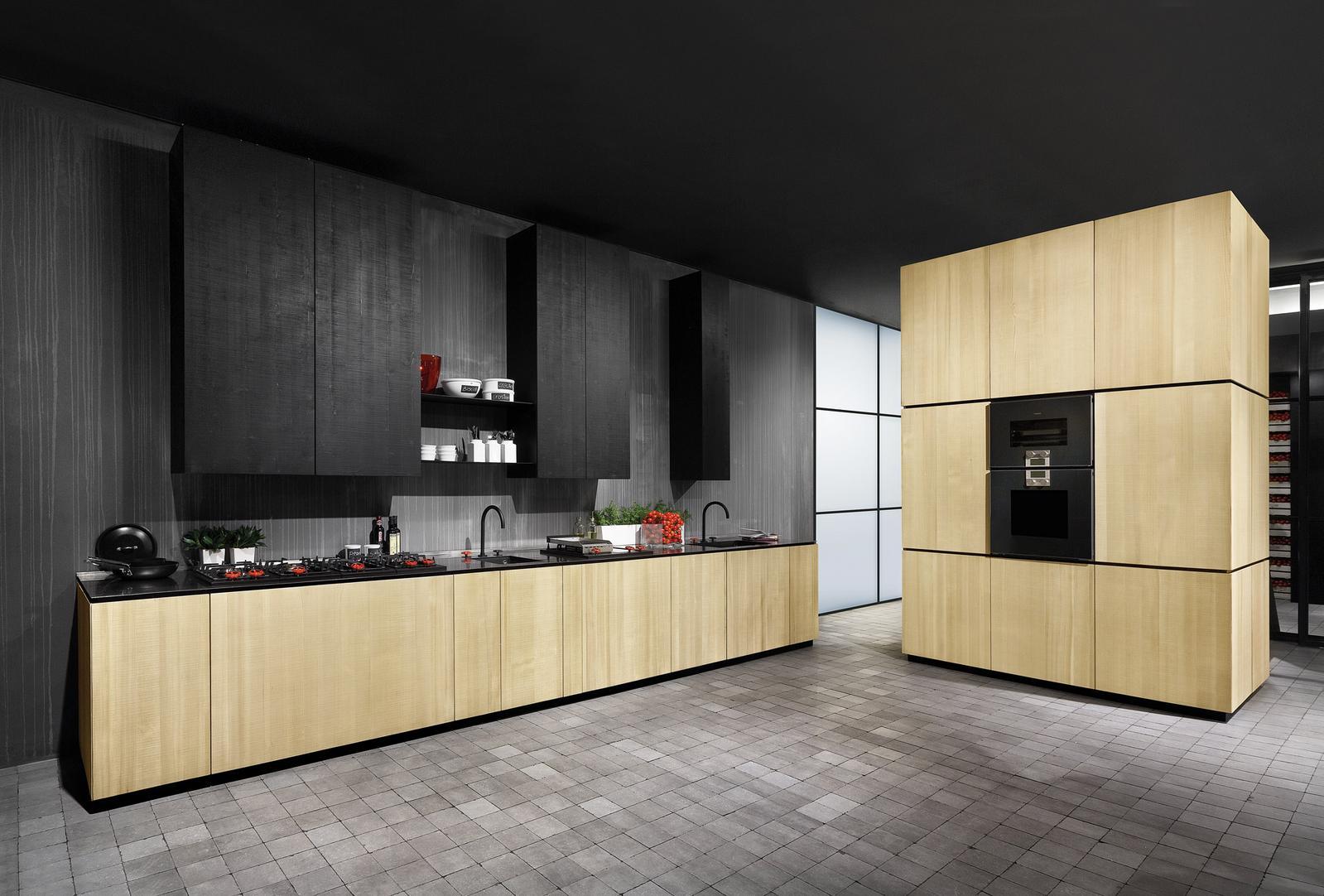
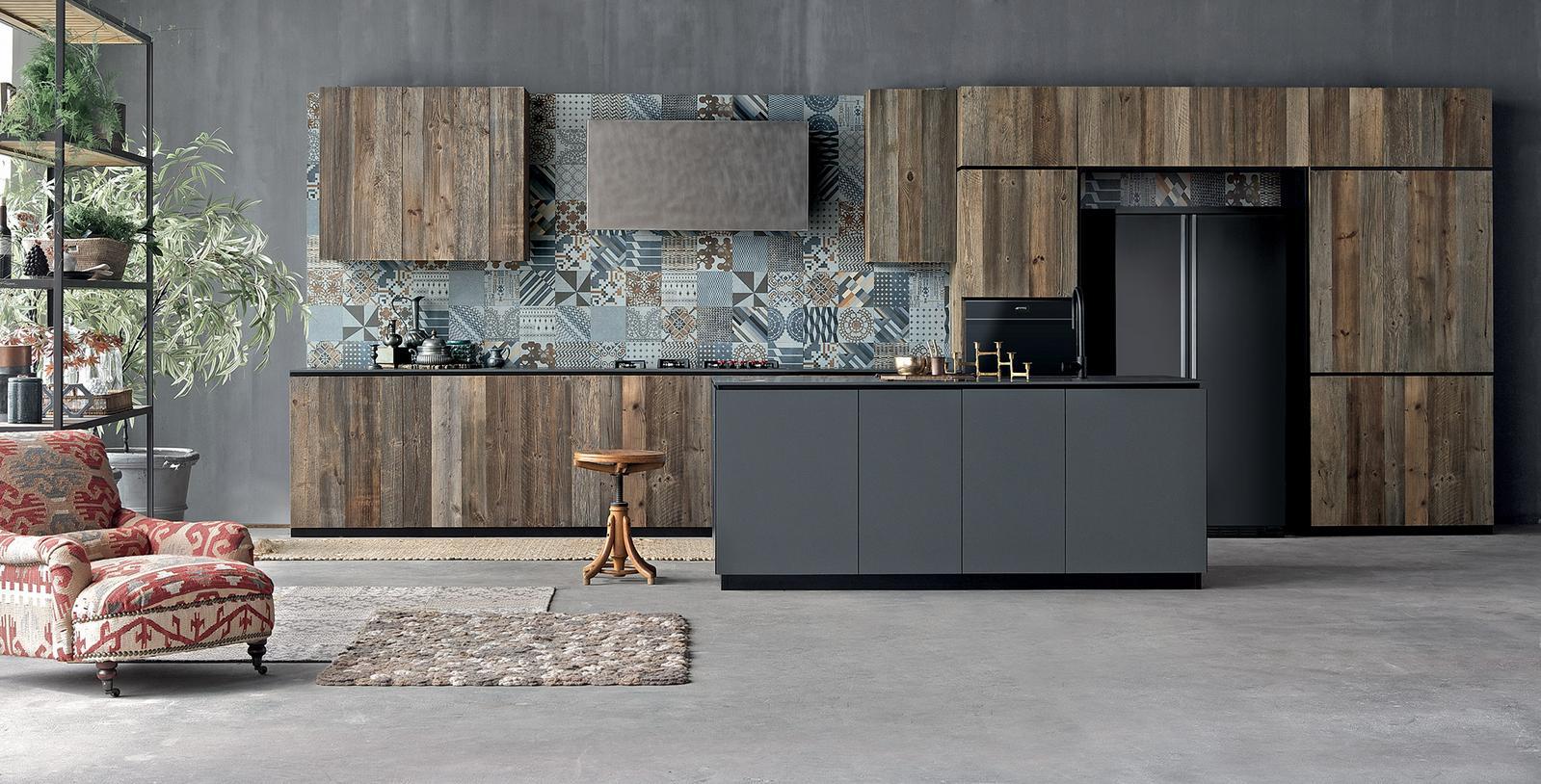
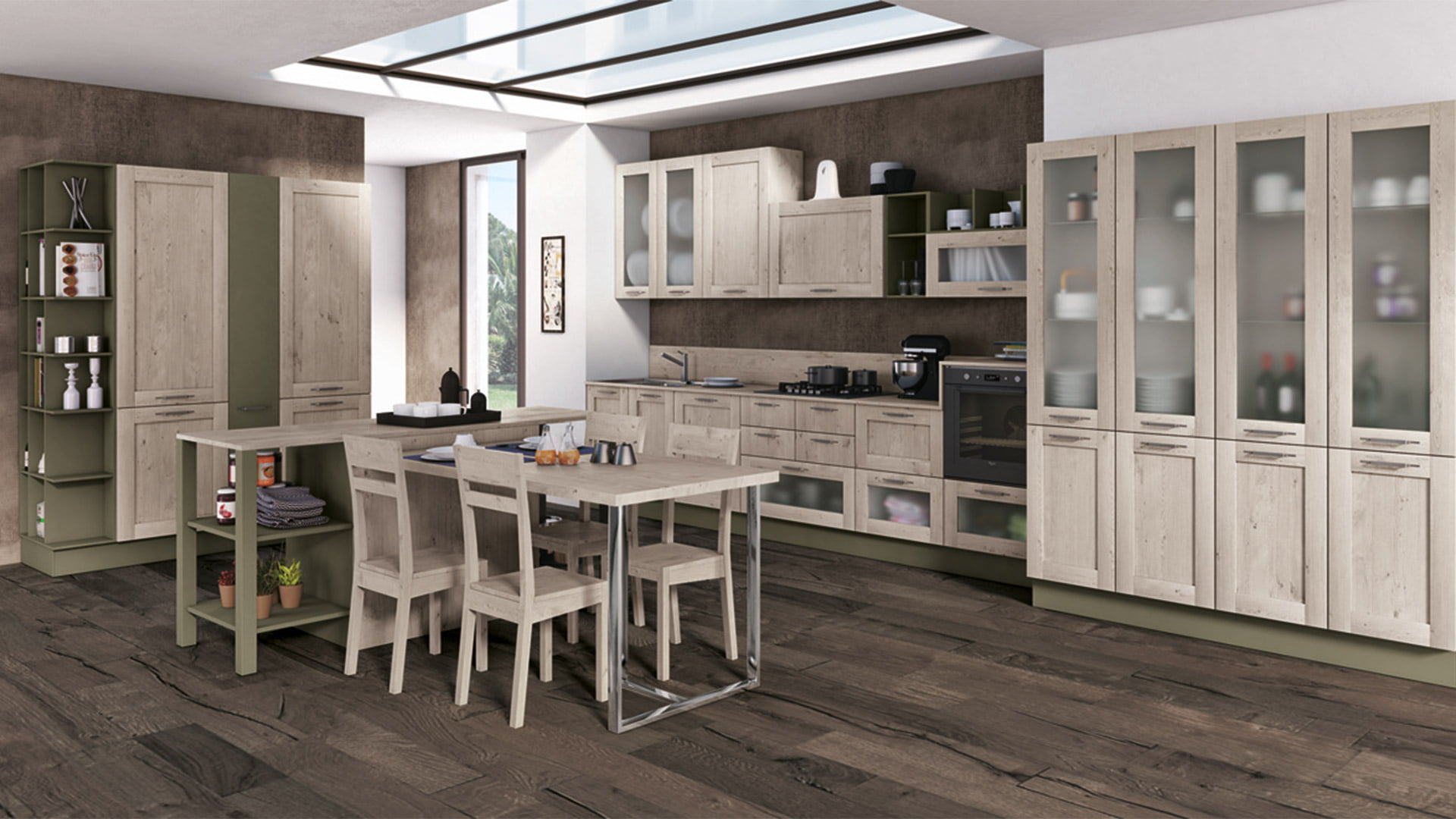
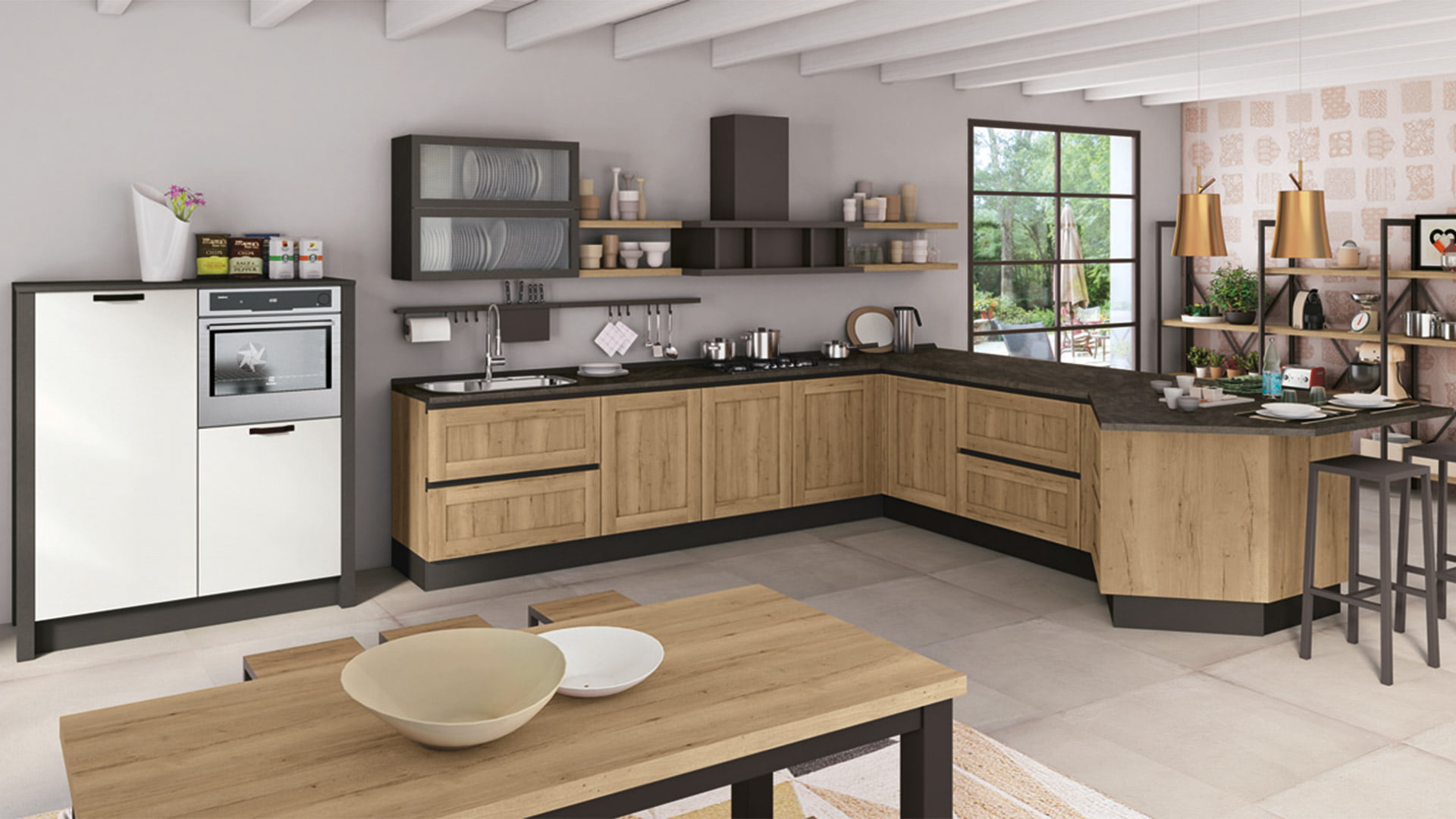
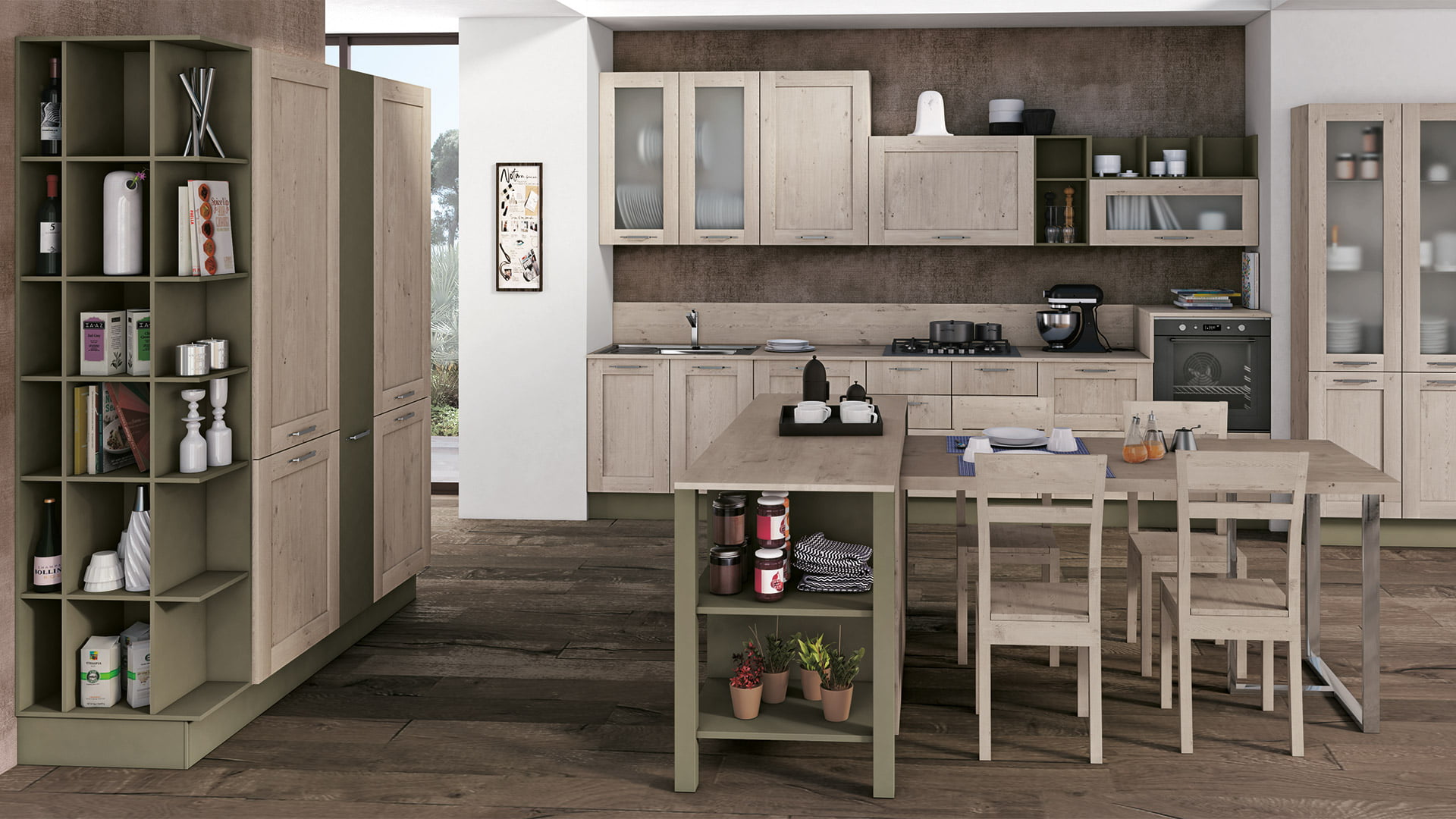
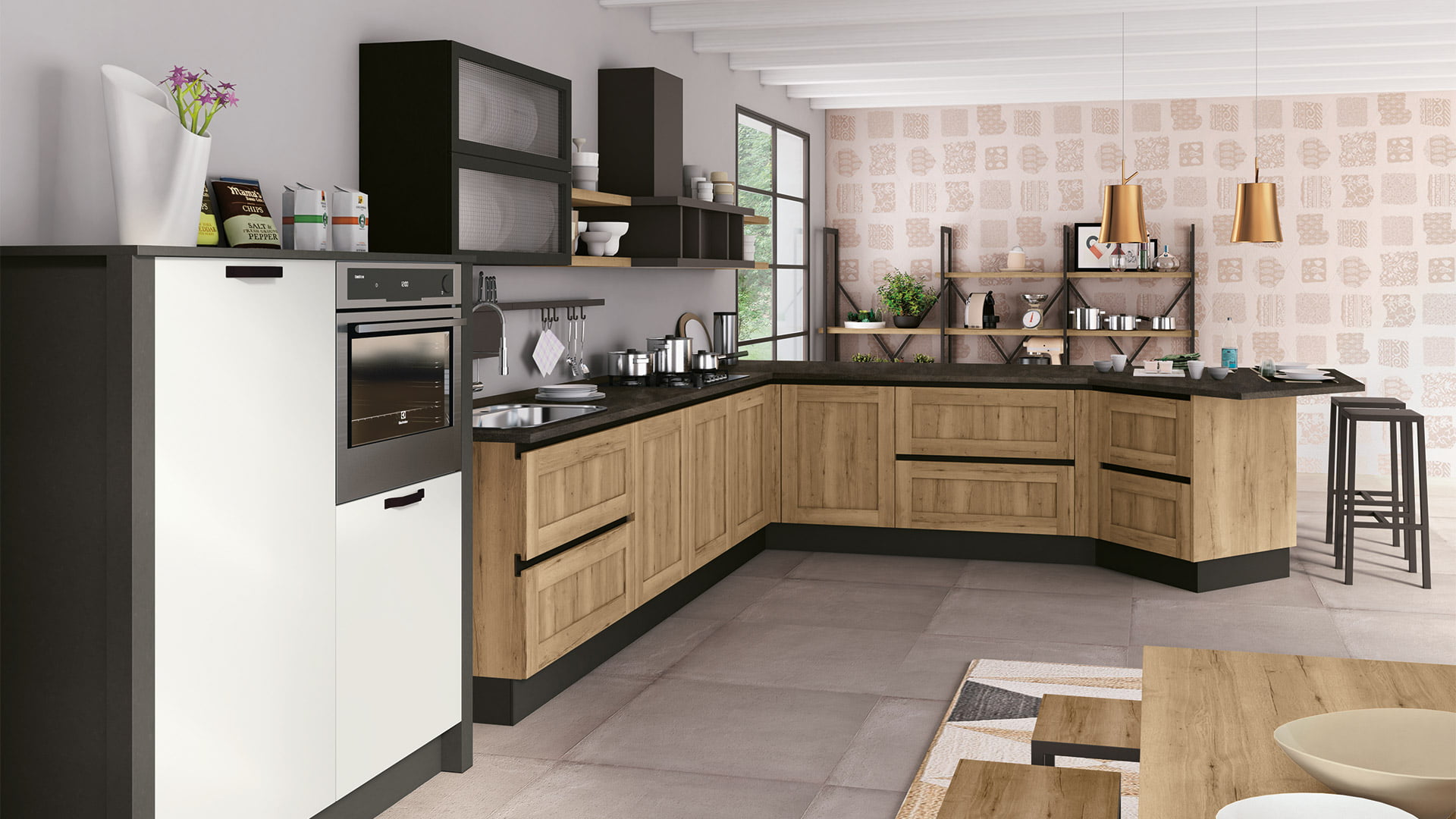
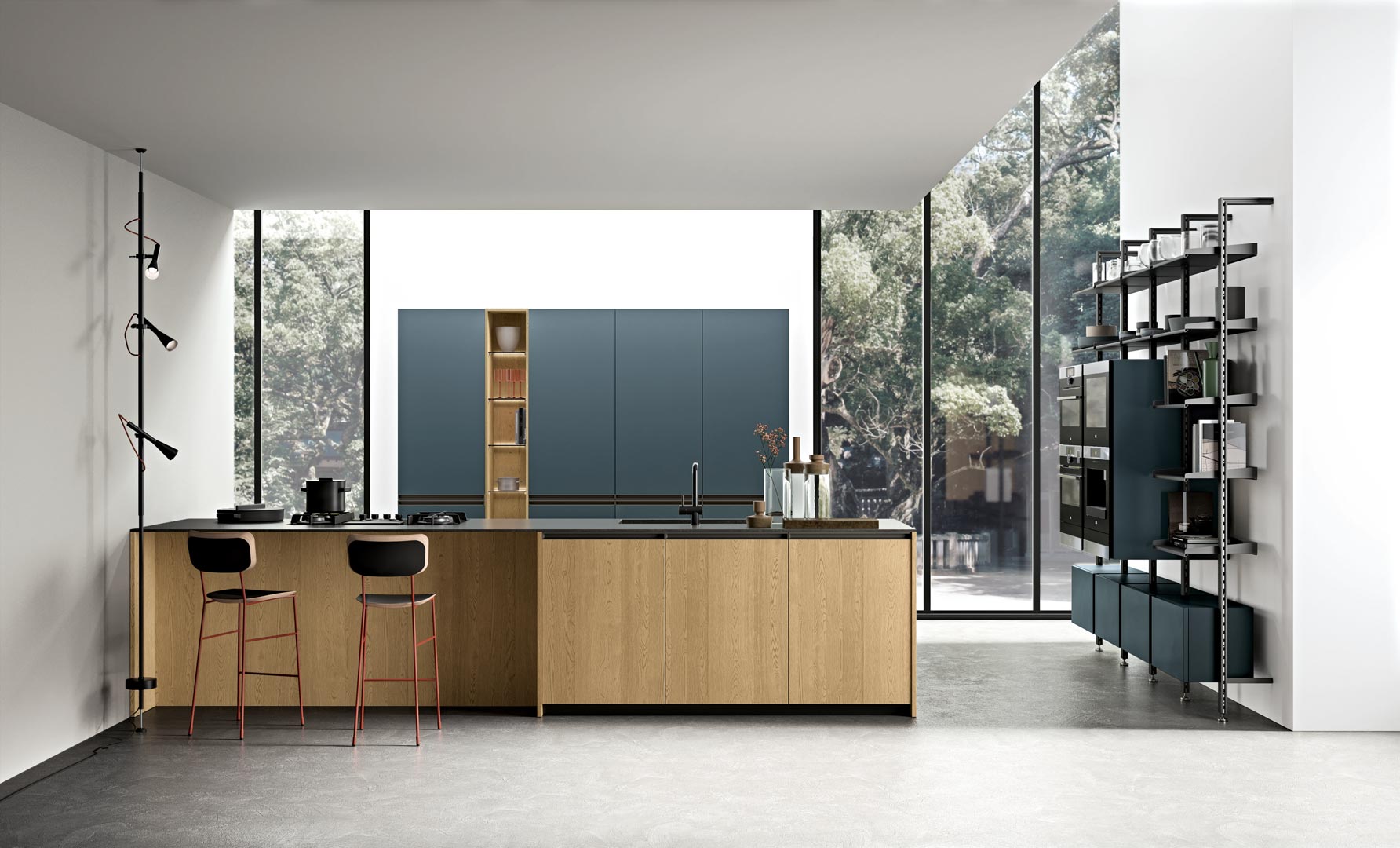
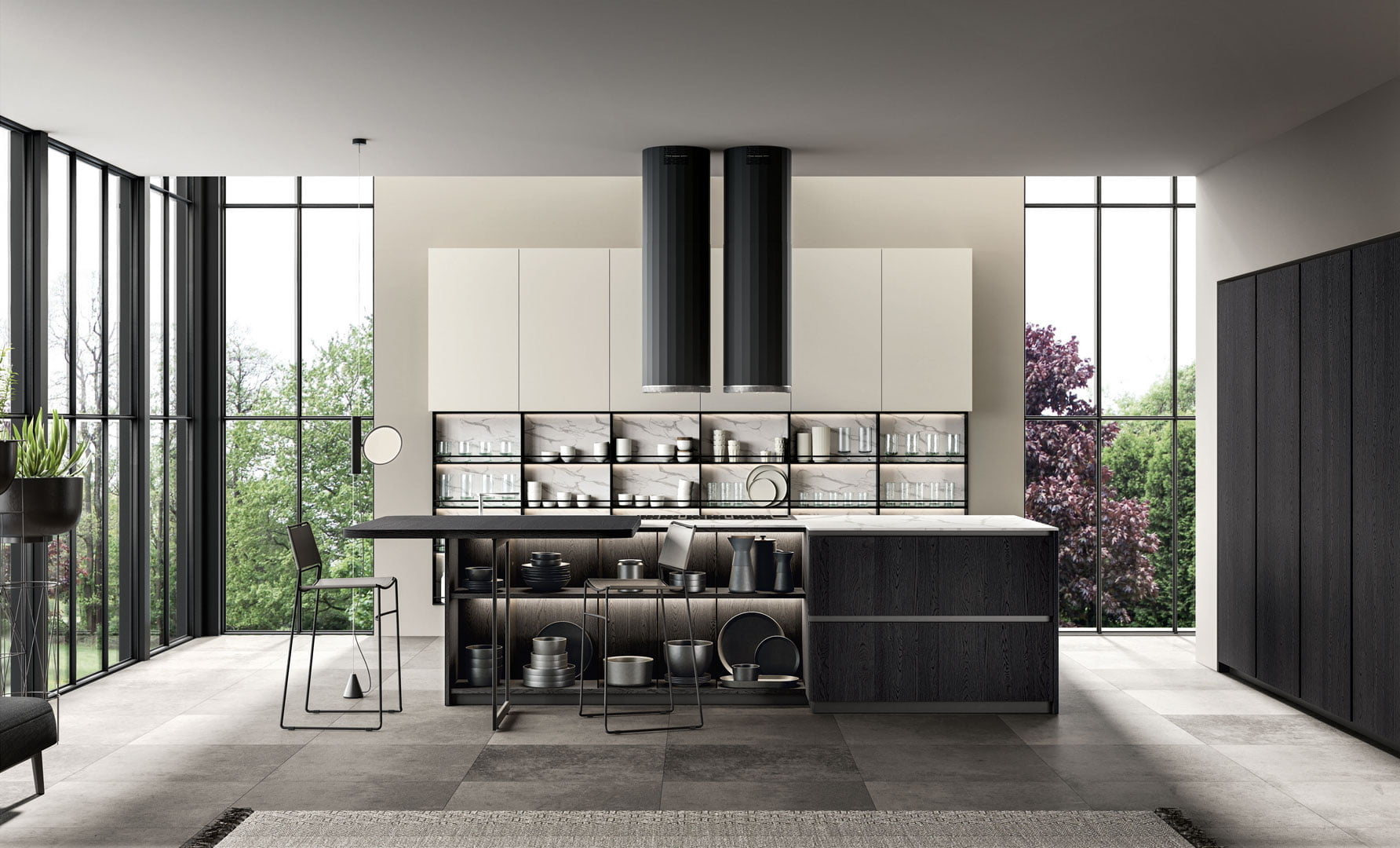
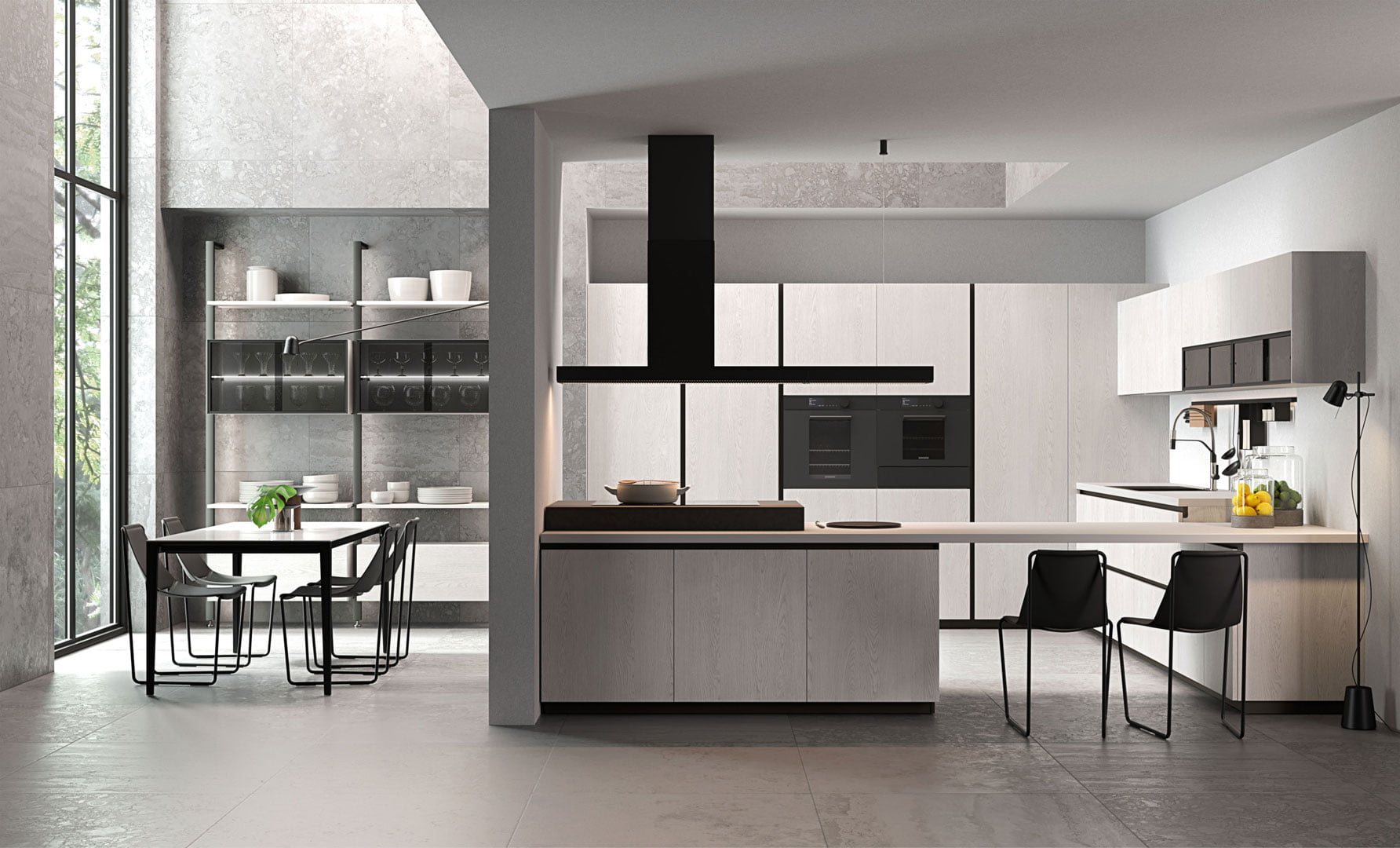
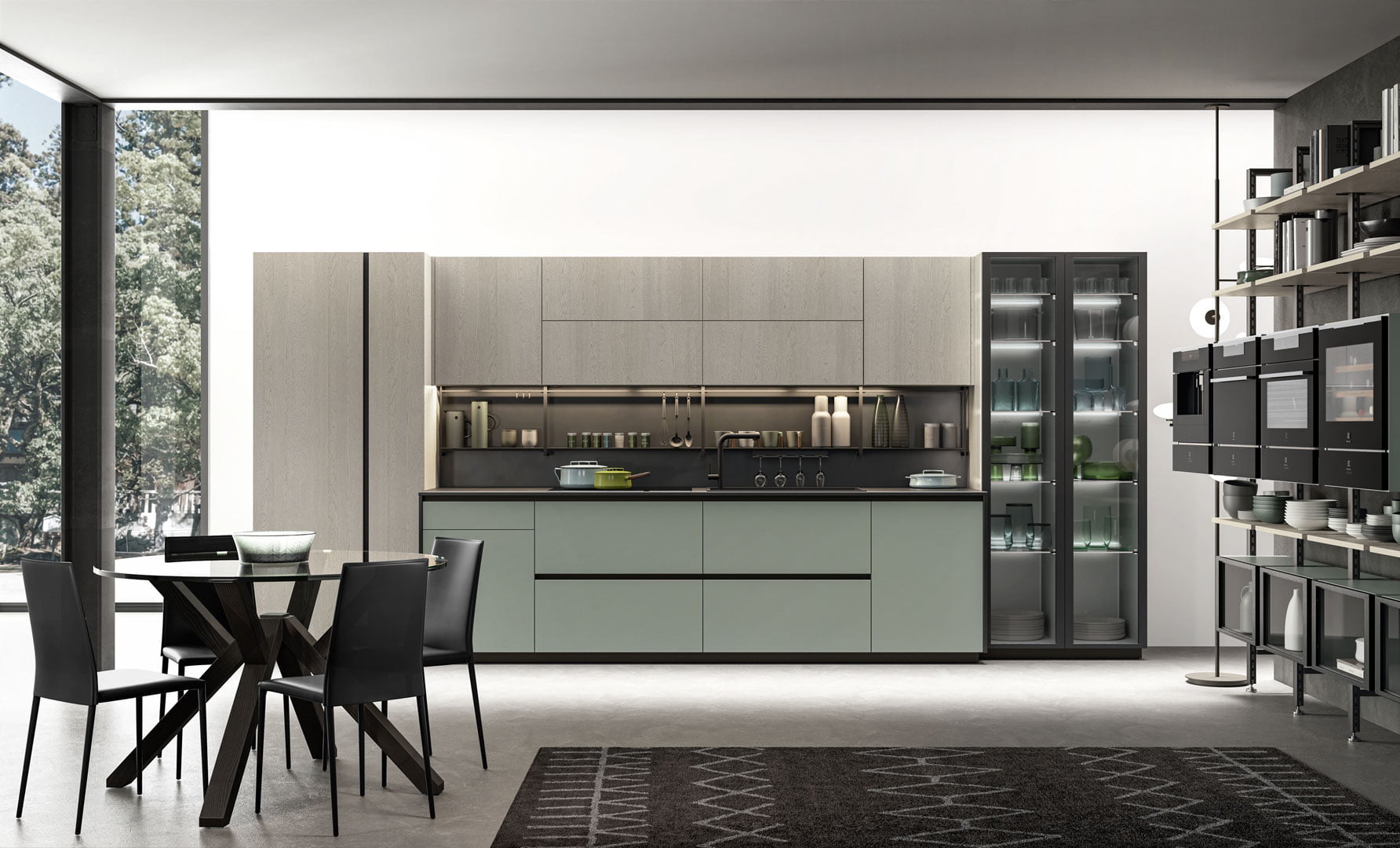
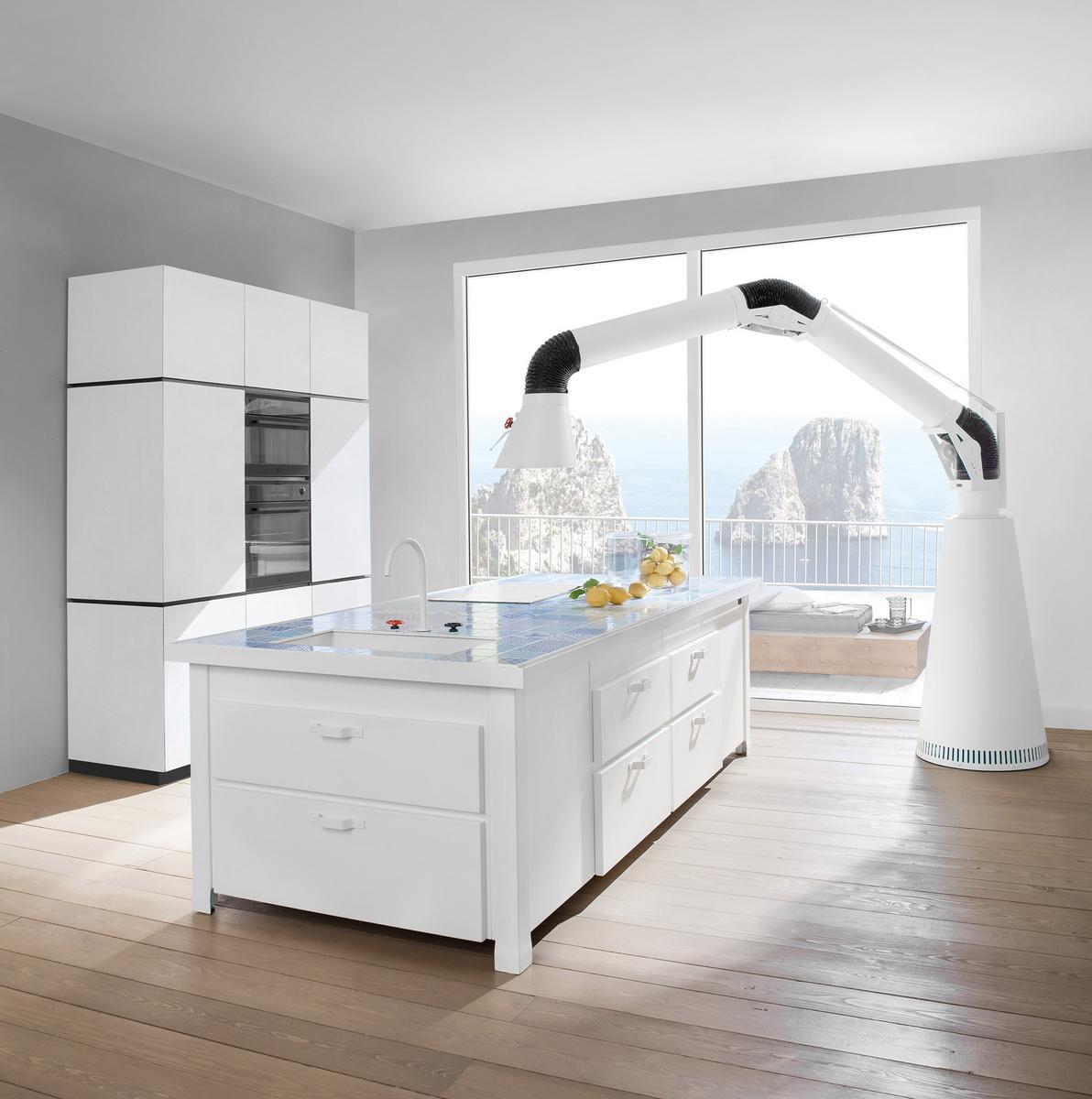
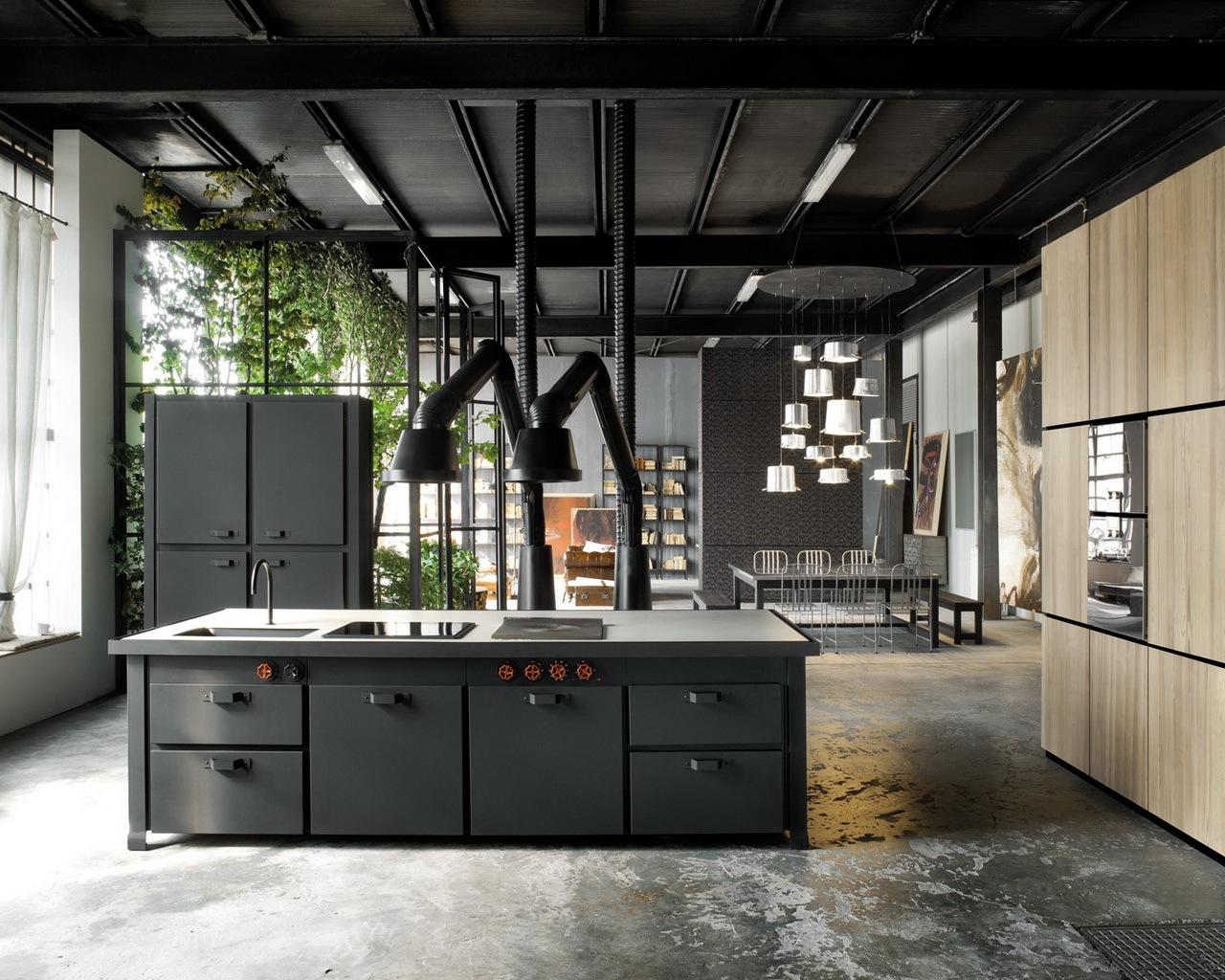
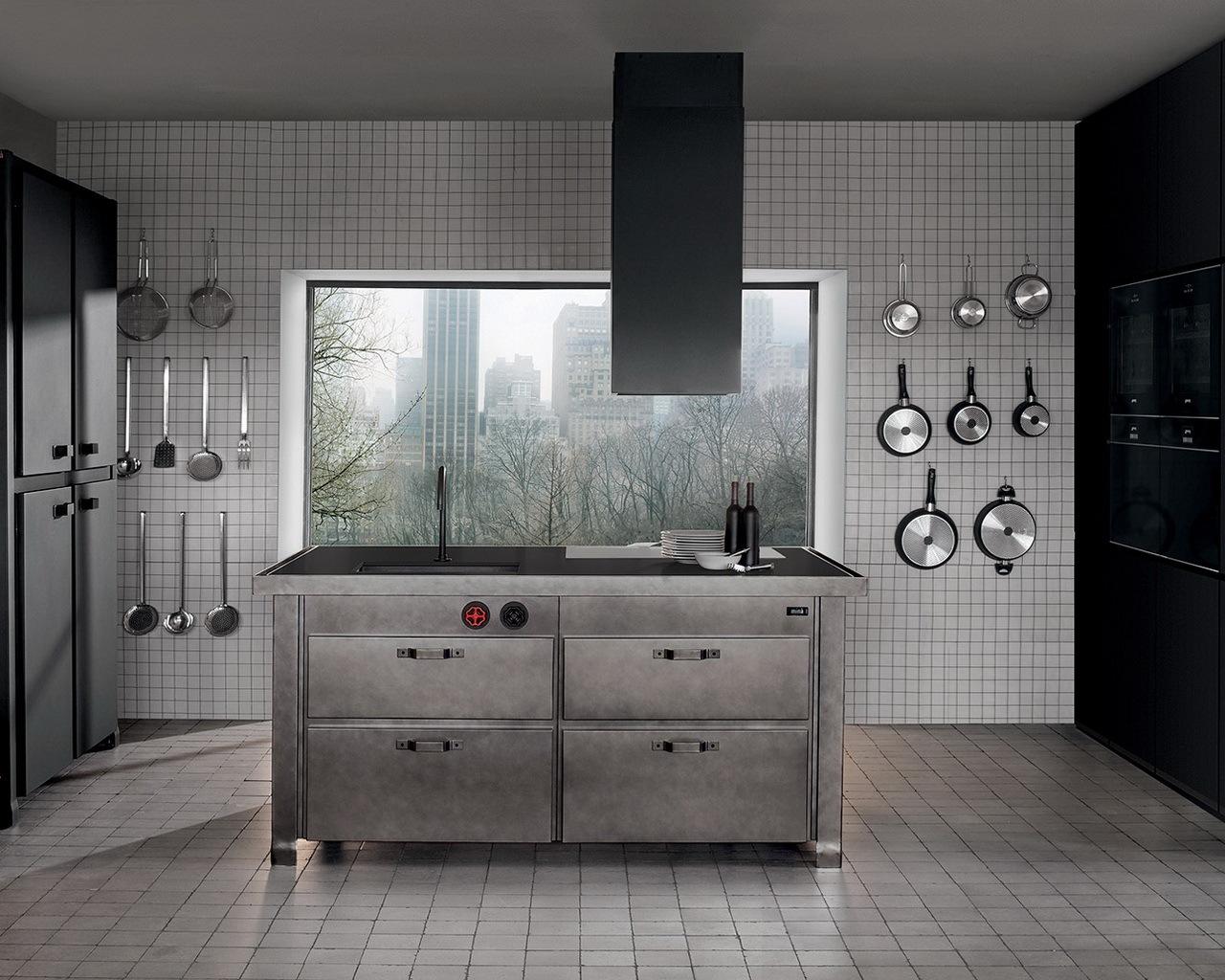
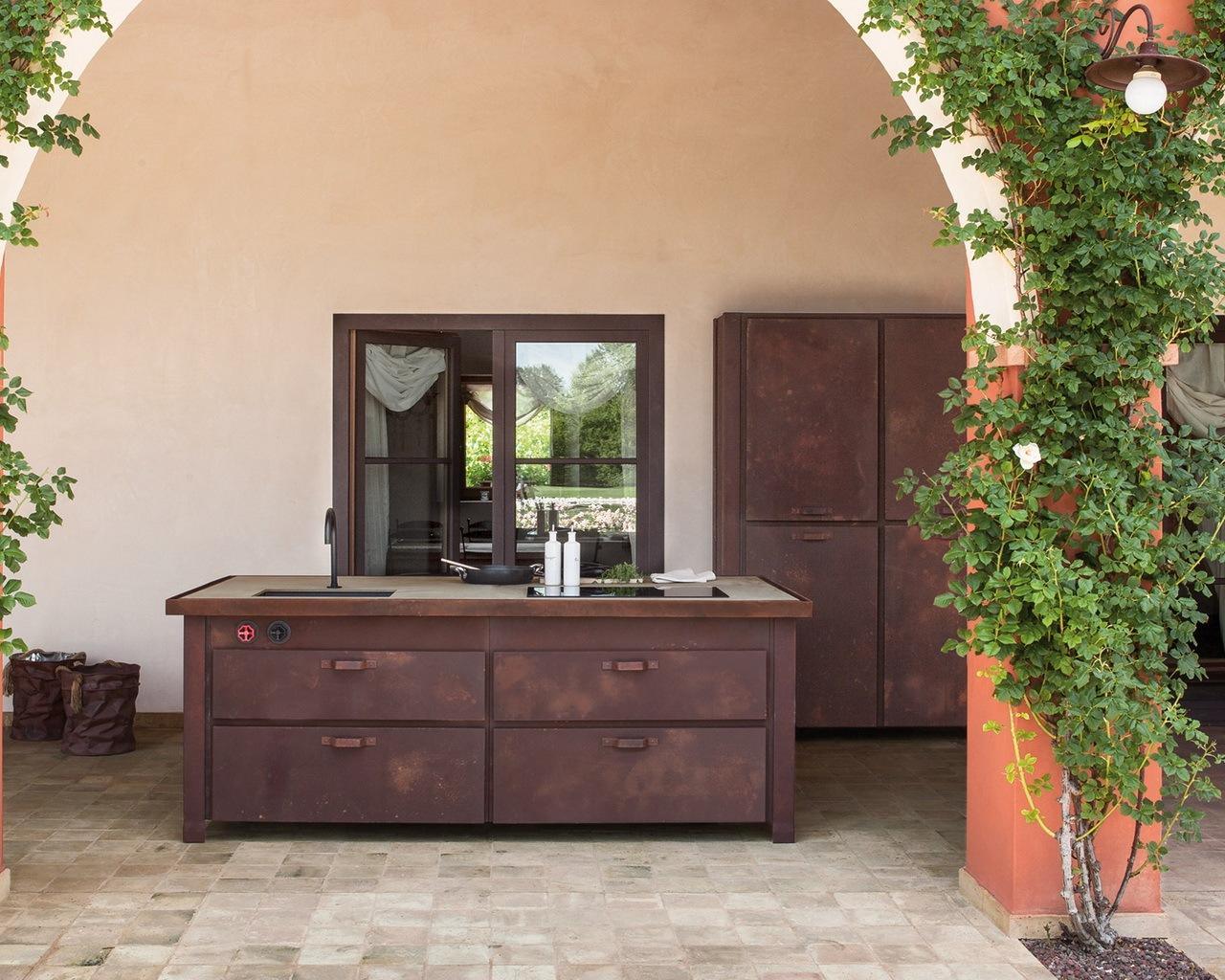
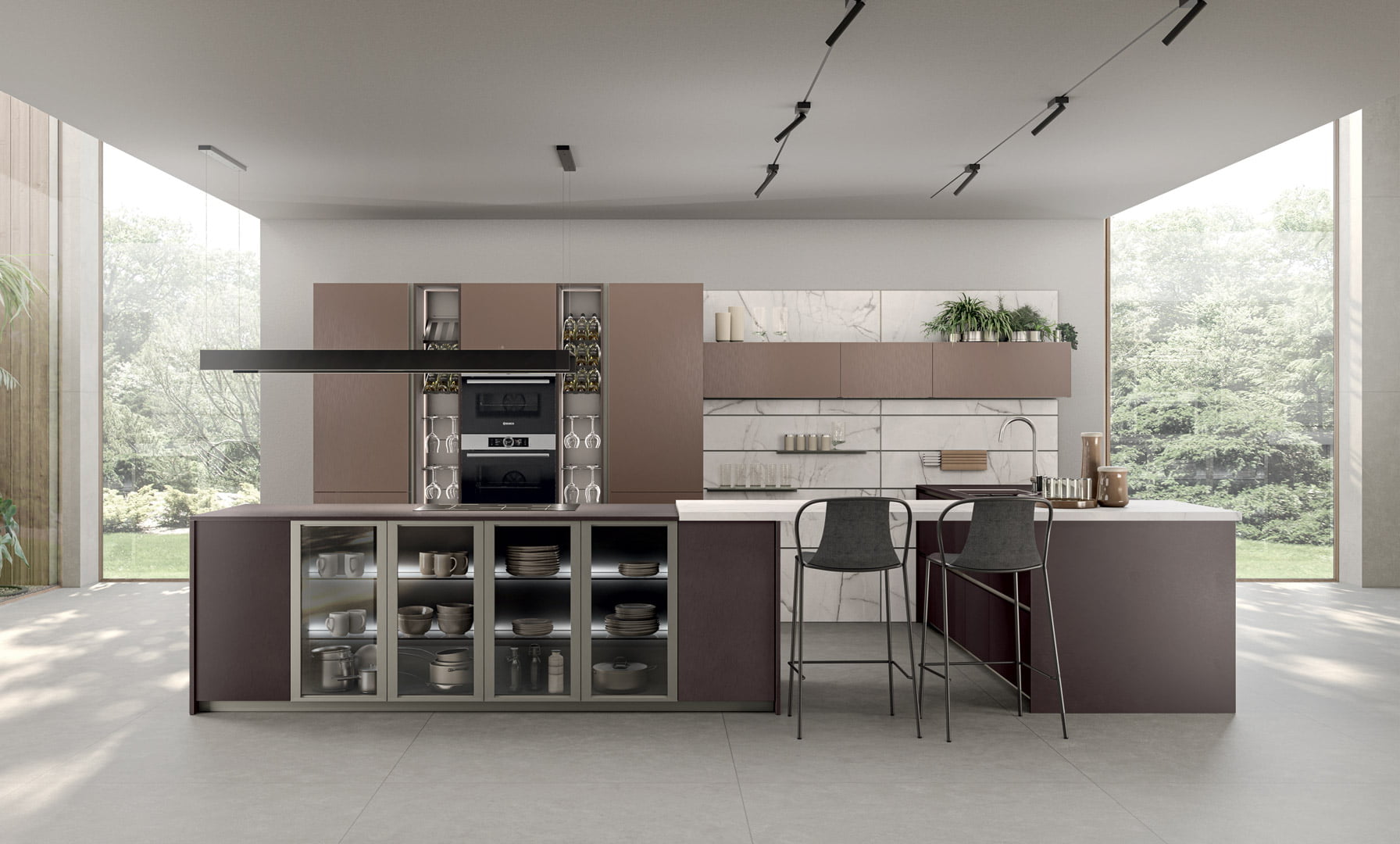
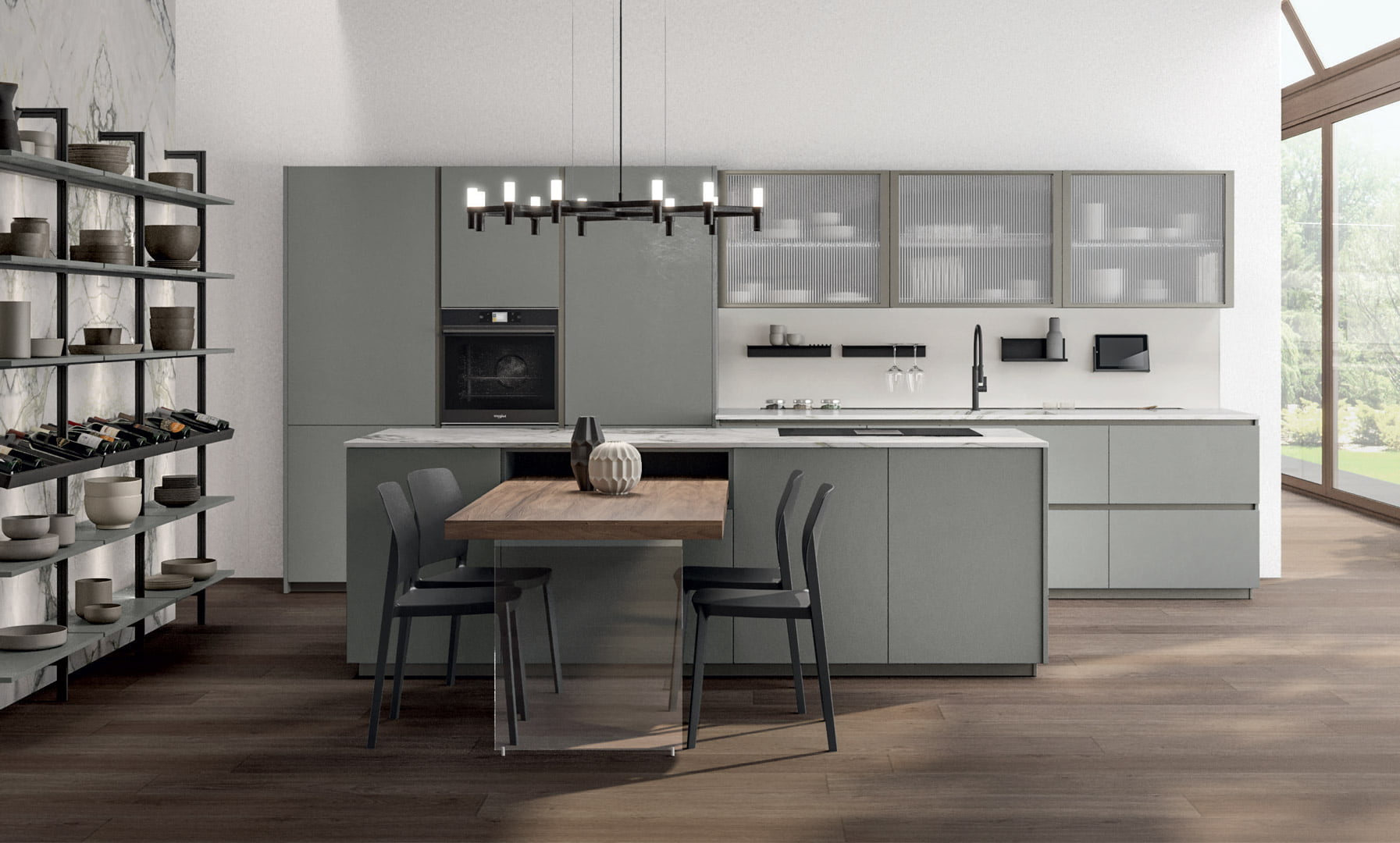
Industrial style kitchens translate the character of loft interiors into a practical, everyday cooking space. The emphasis is on strong geometry, durable materials, and functional storage—so the kitchen looks striking while staying comfortable to use from morning coffee to full-scale entertaining.
What is included in the Industrial Kitchens category
The selection on the page covers complete kitchen systems and the most common formats used in modern projects:
- Fitted kitchens planned to exact room dimensions with tailored zoning.
- Linear kitchens for clean wall compositions and open-plan layouts.
- Kitchen cabinets and modular elements that build storage and define the facade rhythm.
- Kitchens with island and kitchens with peninsula solutions for added worktop area, seating, and social cooking.
Many items are marked as custom or design-led, which helps match an industrial kitchen to specific measurements, finishes, and project requirements.
Materials and finishes typical for industrial design
The category features a broad set of materials commonly chosen for industrial kitchen cabinets and work zones, including lacquered and UV-lacquered fronts, veneer and wood textures, ceramic surfaces, metal and stainless-steel elements, as well as advanced materials such as Fenix and HPL panels. These finishes are selected to deliver a confident, “workshop-inspired” look while staying suitable for daily use.
- Fenix and HPL panels: practical, low-maintenance surfaces often used for modern industrial kitchens.
- Ceramic and natural stone: strong visual presence and a solid feel in high-use areas.
- Lacquered, PET, melamine: clean, contemporary fronts that support crisp geometry.
- Metal, glass, stainless steel: industrial accents that highlight structure and detailing.
- Veneer and wood: balance the “industrial” look with warmth, especially in open-plan spaces.
Opening systems and layout details to choose from
Industrial kitchens can look minimalist or more expressive depending on how the fronts open and how the layout is built around workflow:
- Handleless kitchens for a seamless facade and architectural interiors.
- Integrated handles that keep lines clean while staying ergonomic.
- Classic handles when hardware is part of the visual concept.
- Island vs peninsula: islands work best with generous clearances; peninsulas add surface and seating when space is tighter.
How to select an industrial kitchen for a home or commercial space
Before choosing a model, define the room’s functional plan and then match the finishes to the desired maintenance level and visual contrast:
- Workflow and clearances: plan comfortable movement and a logical sink–cooktop–refrigeration sequence.
- Storage priorities: drawer systems, tall units, pantry zoning, and corner solutions for daily efficiency.
- Finish behavior: consider fingerprints, cleaning routine, and how matte/gloss surfaces will look in your lighting.
- Project specification: confirm appliance sizes, ventilation, and utility points early—especially for custom configurations.
Since many models are quoted individually, it is easy to align the final cost with the chosen layout and materials. EuroHouse supports selection and pricing requests as an official dealer of the presented brands, which is especially helpful for industrial kitchens where finish combinations and layout details define the result.