
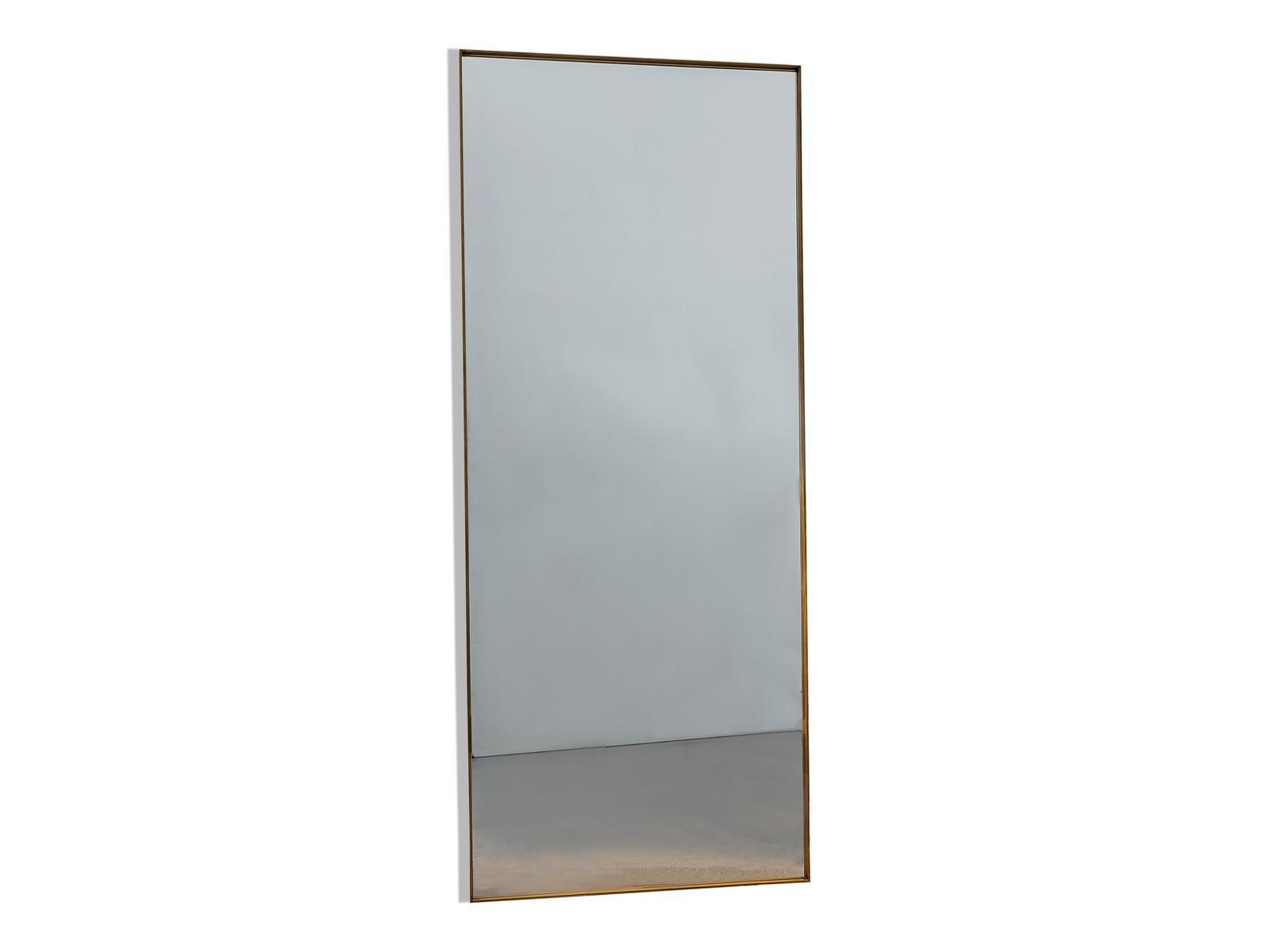
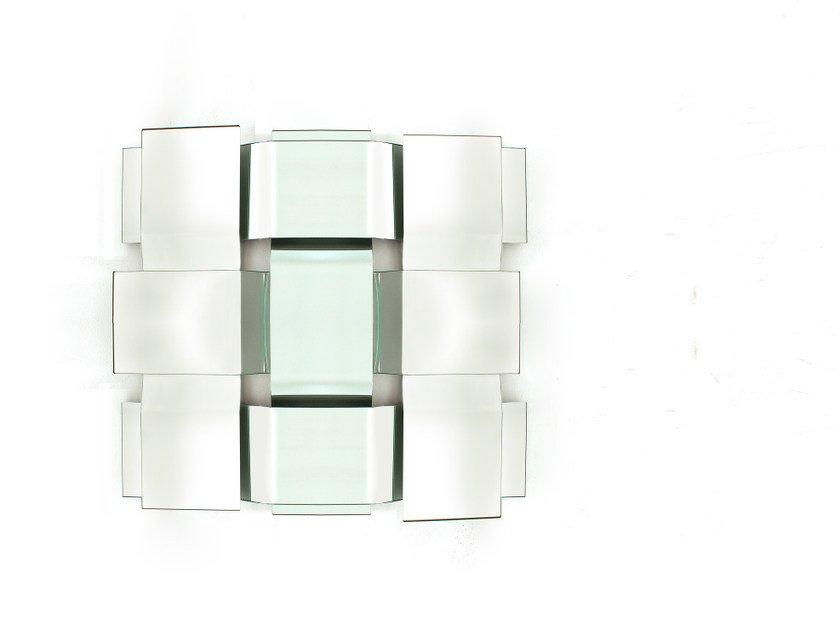
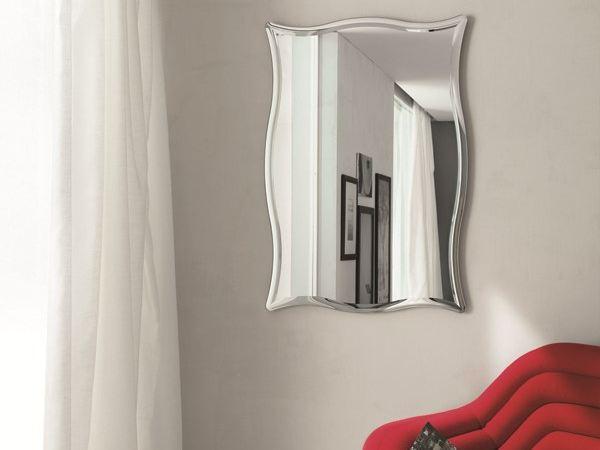
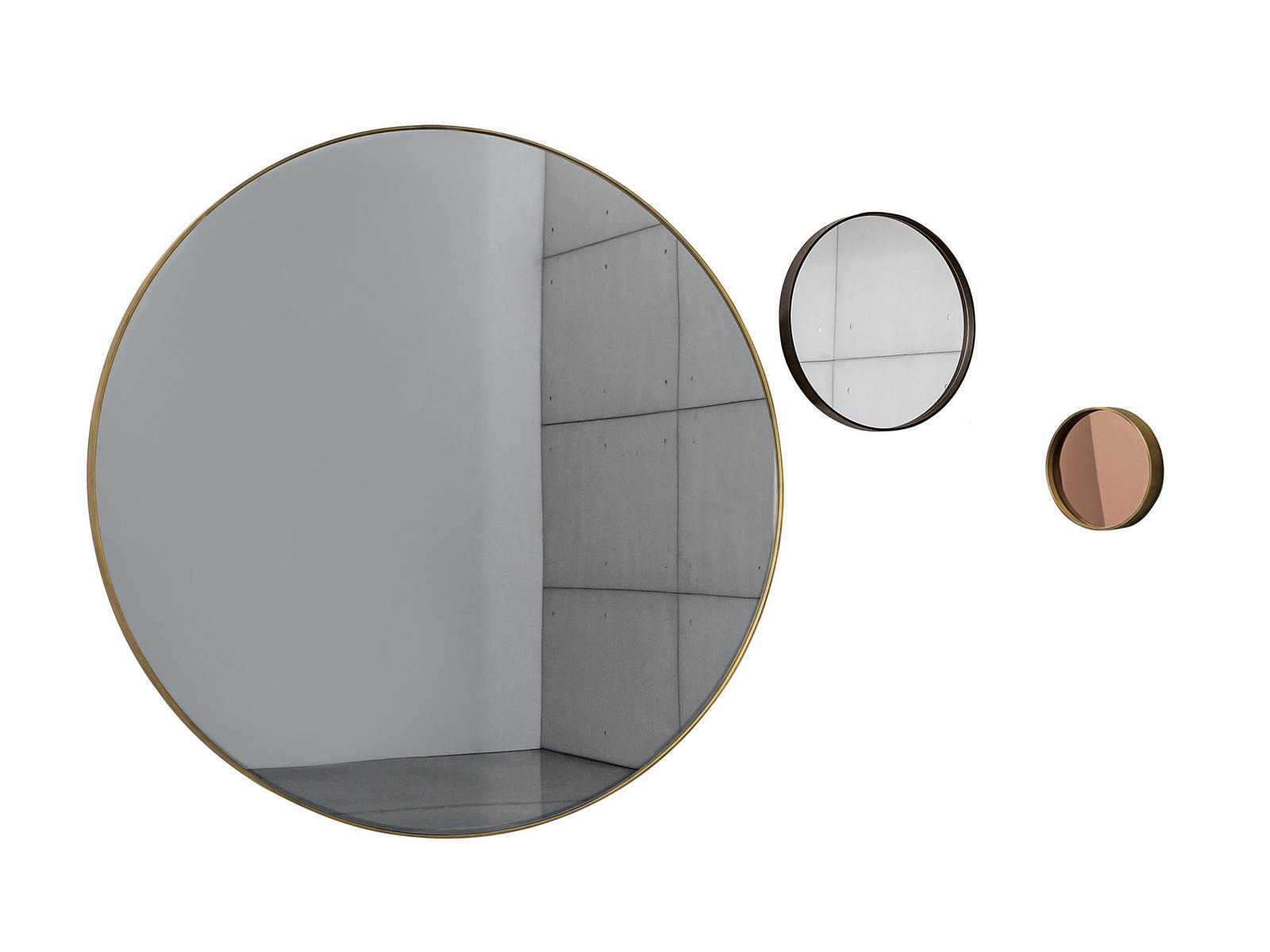

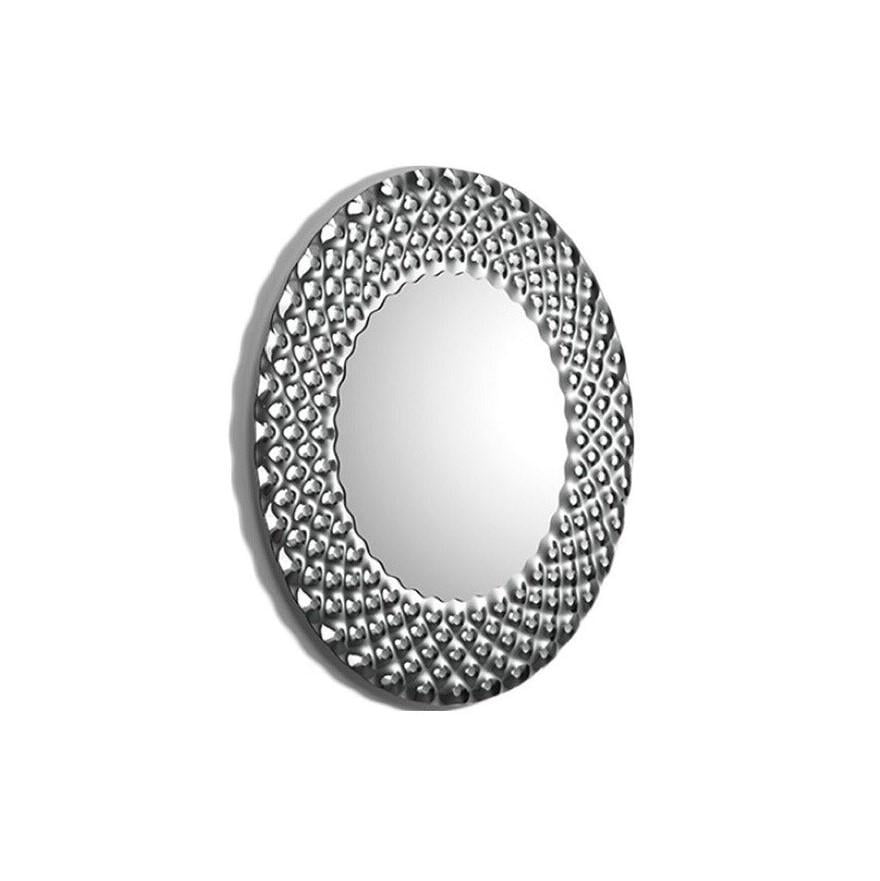
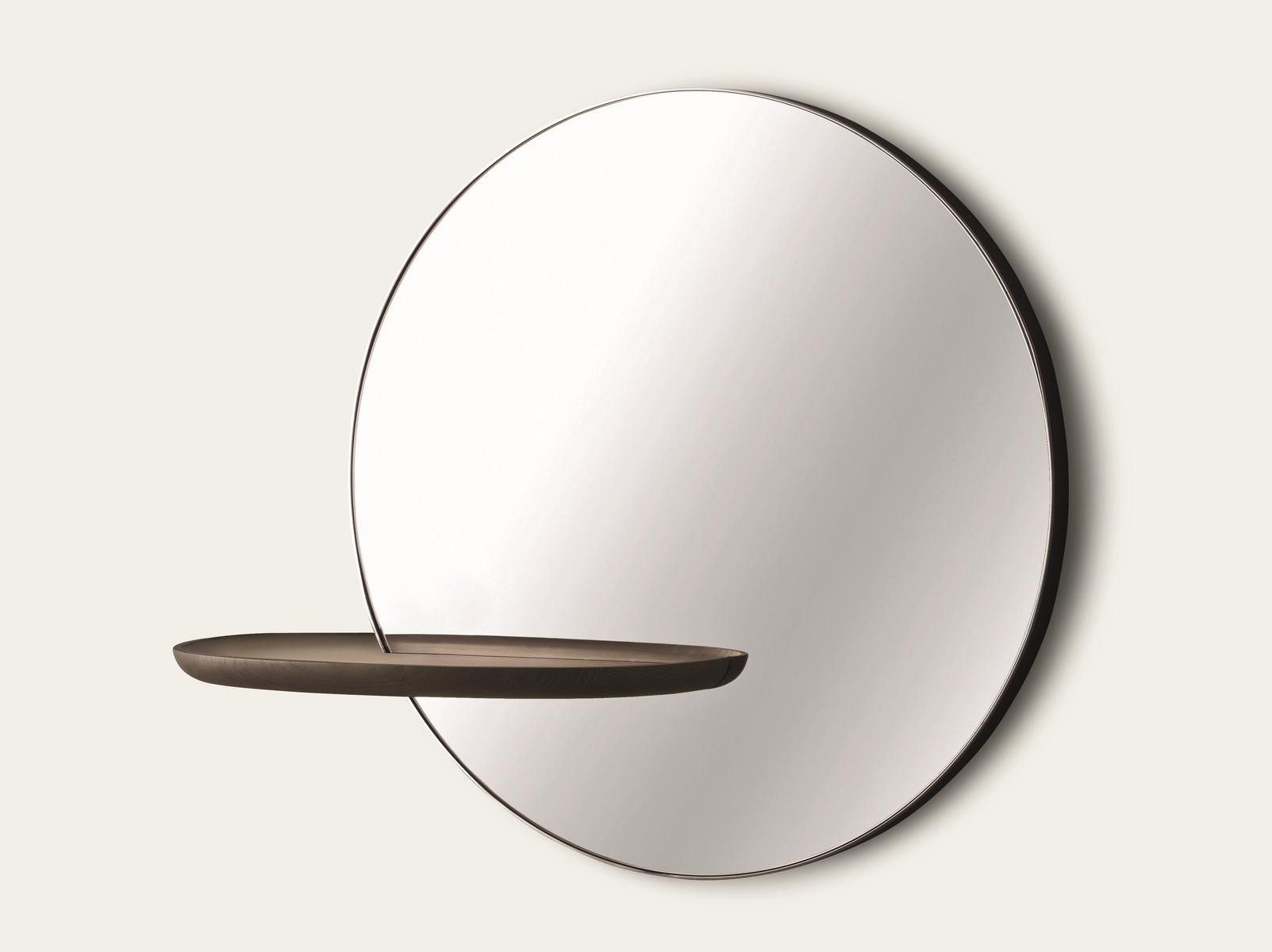
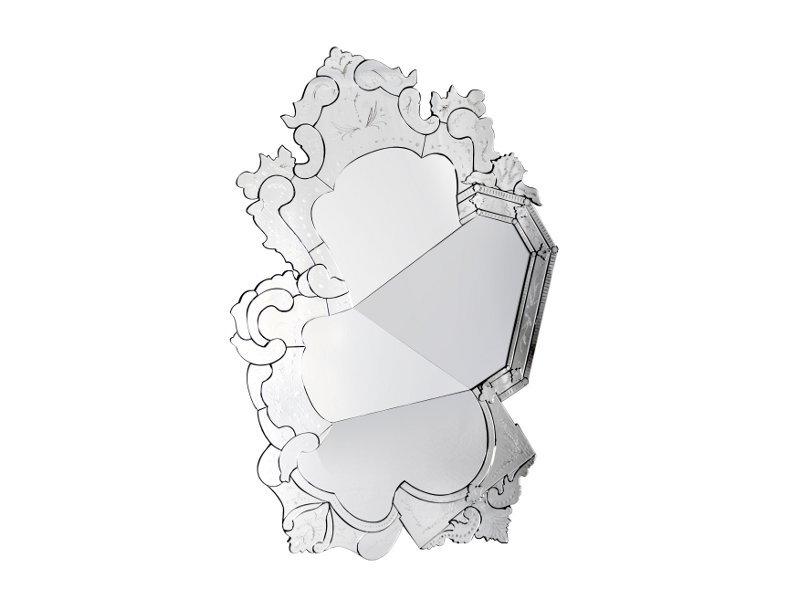

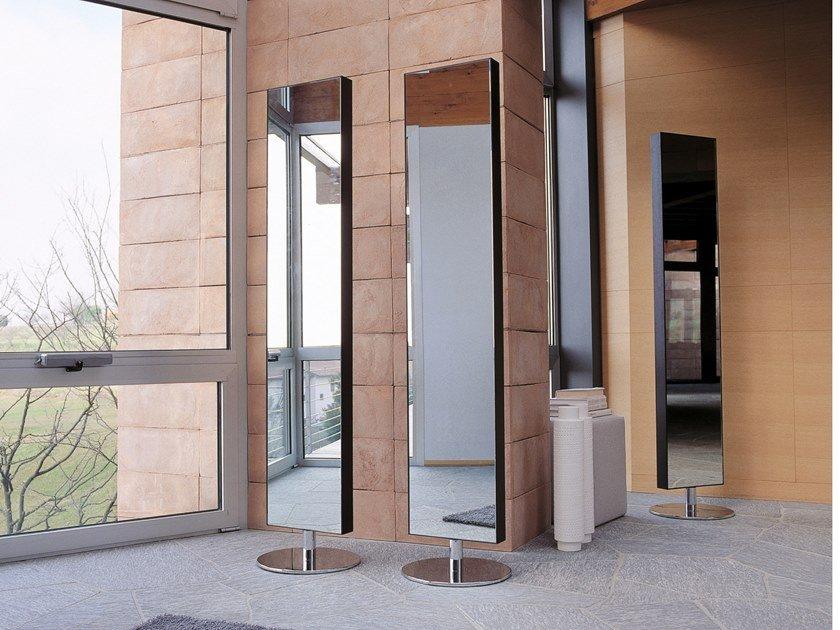
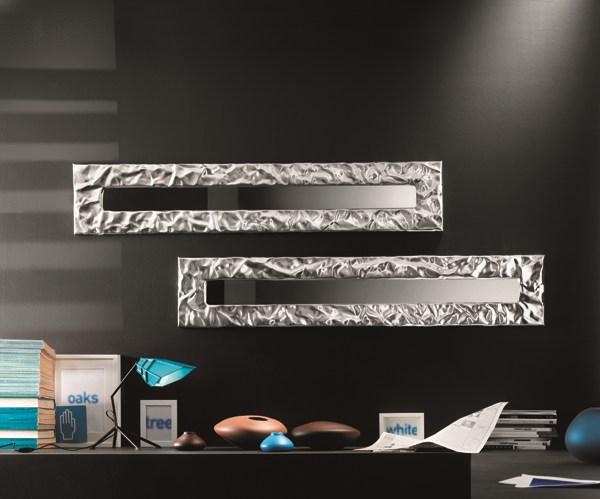
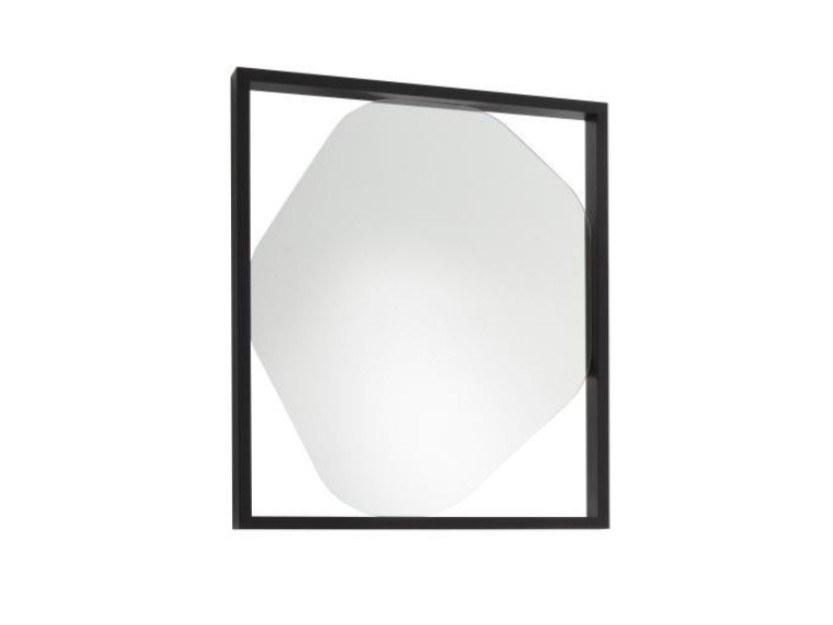
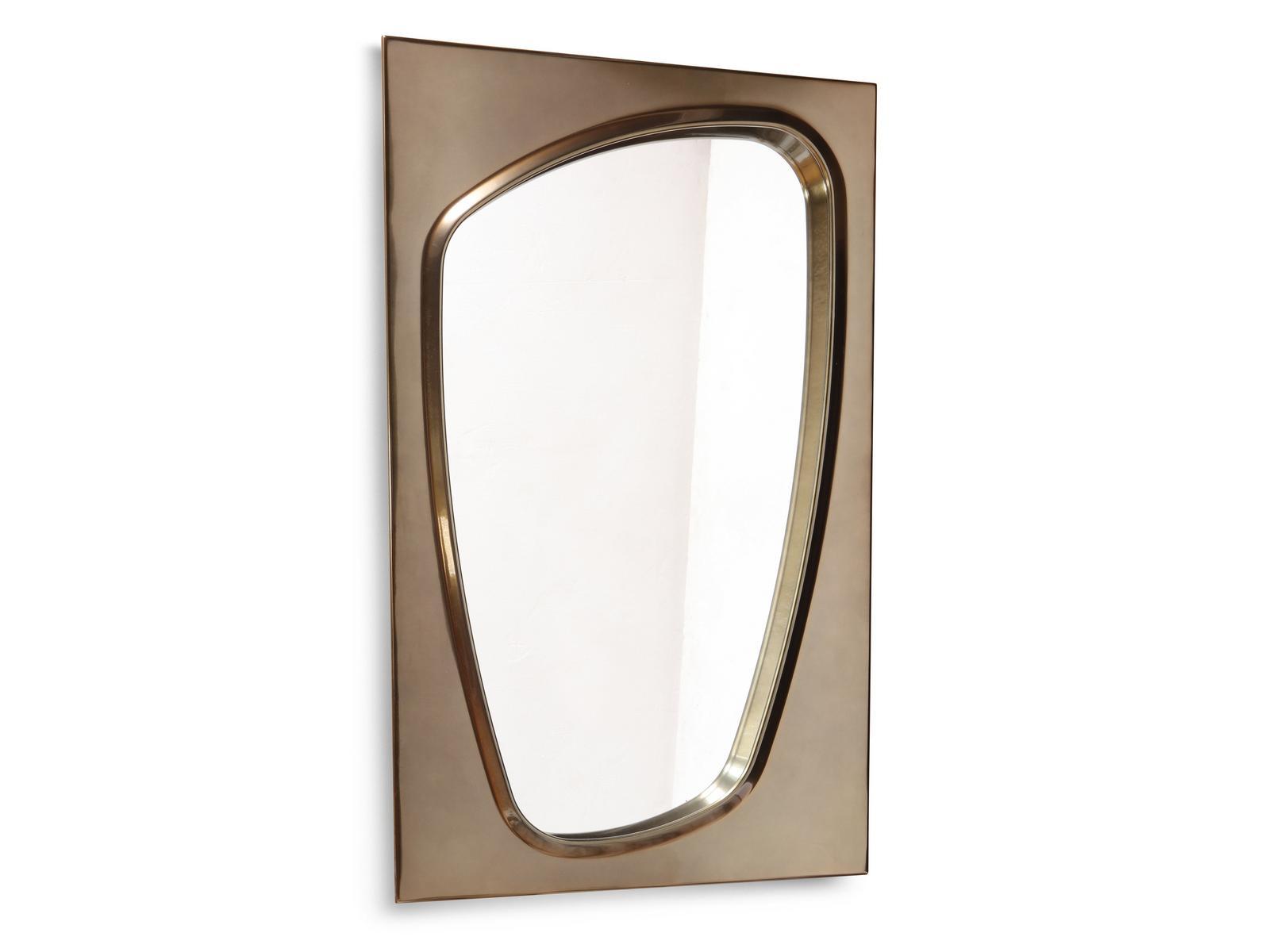
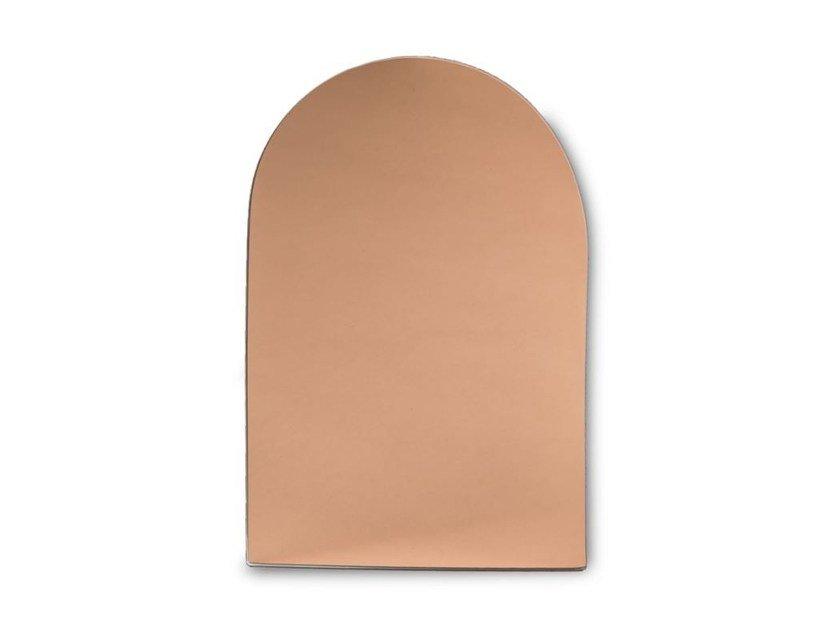
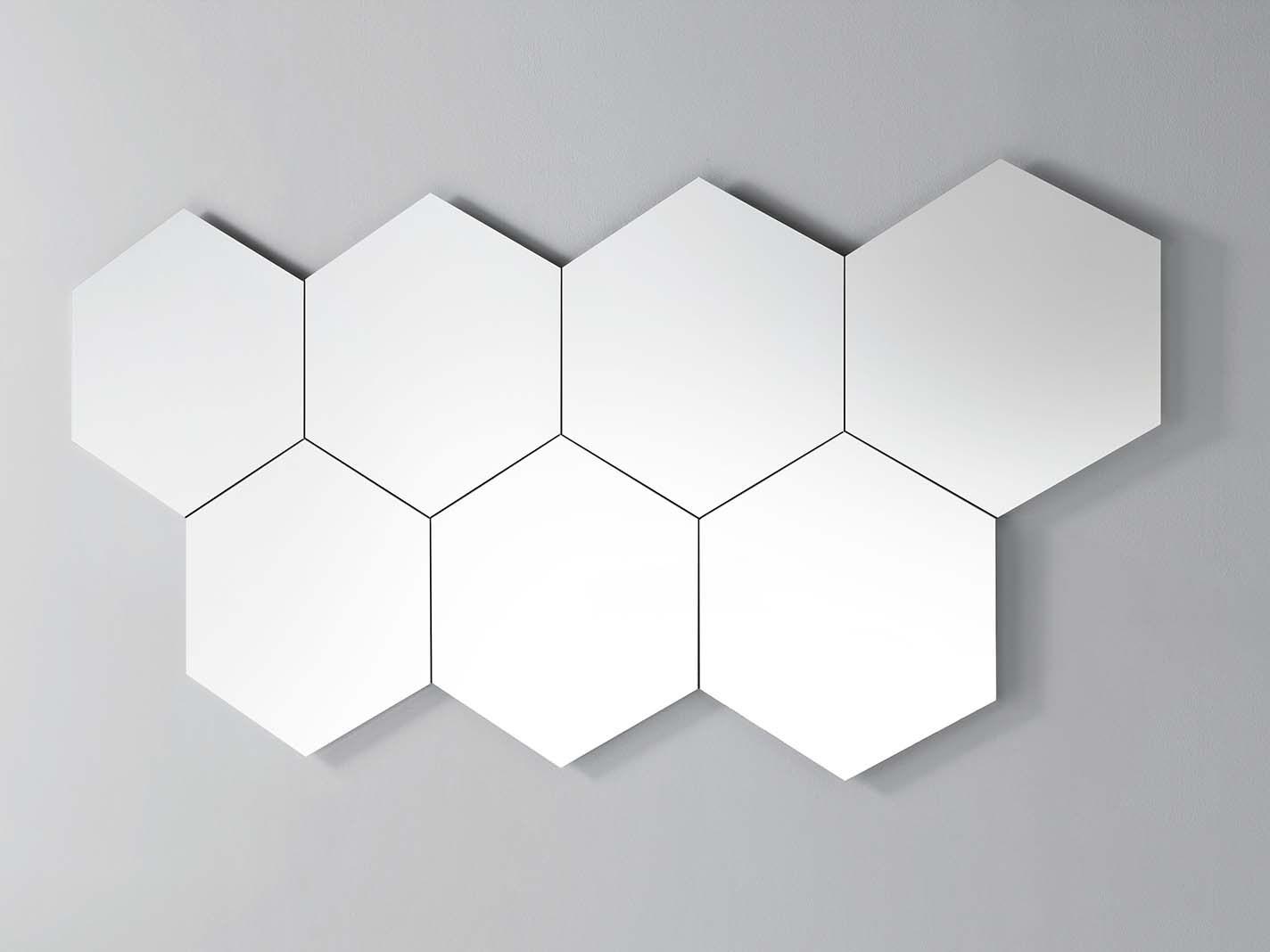
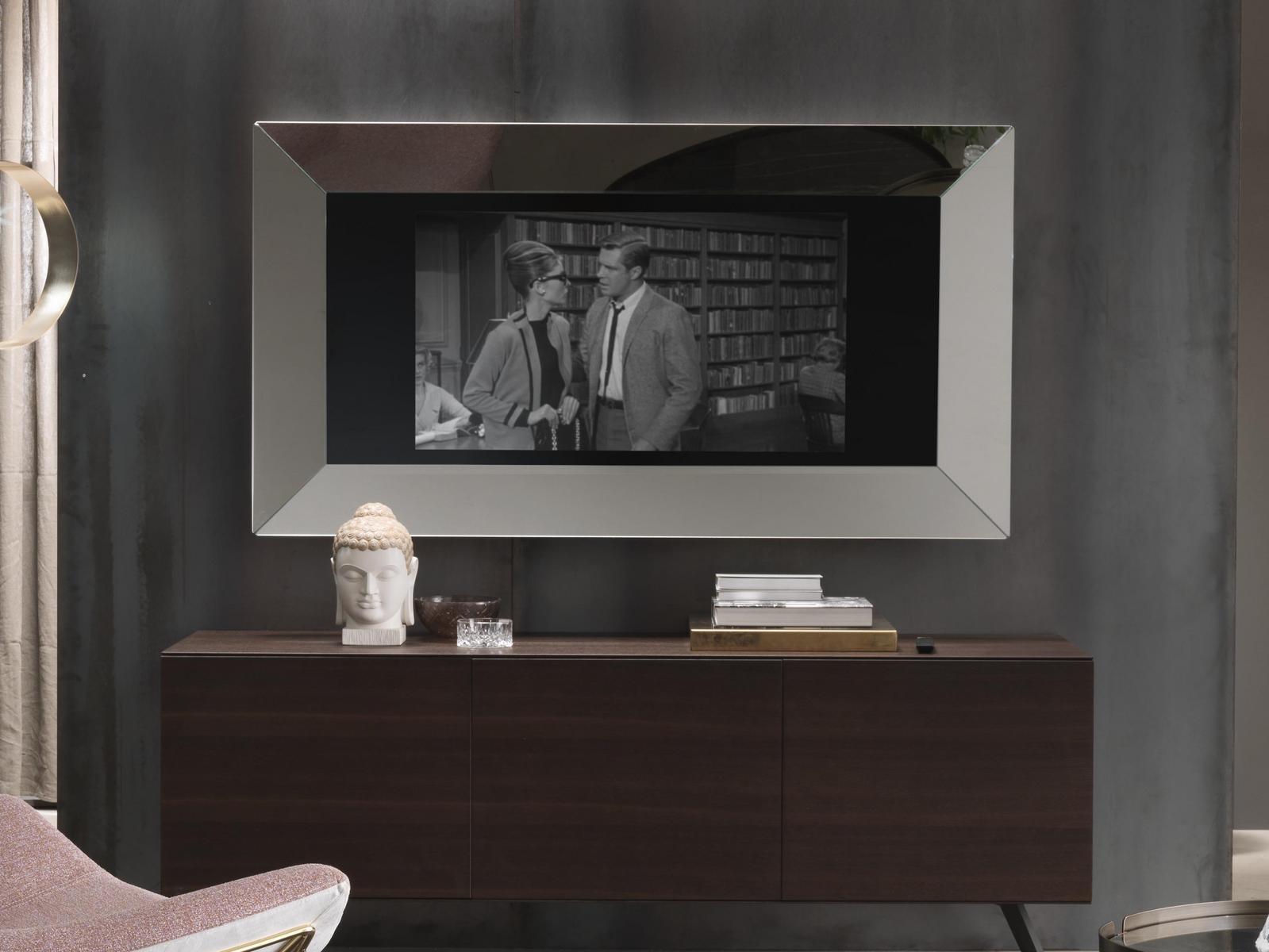
A mirror can change how a space feels: it amplifies daylight, adds depth to narrow rooms, and creates a refined focal point above a console, vanity, or fireplace. In this category, mirrors are selected as design objects—available in multiple shapes, installations, and finishes—so they can be matched to modern, classic, art deco, industrial, or luxury interiors.
Mirror types and installation options
Choose a format based on the task and the room’s layout:
- Wall-mounted mirrors — the most versatile option for bathrooms, entryways, living rooms, and hospitality projects.
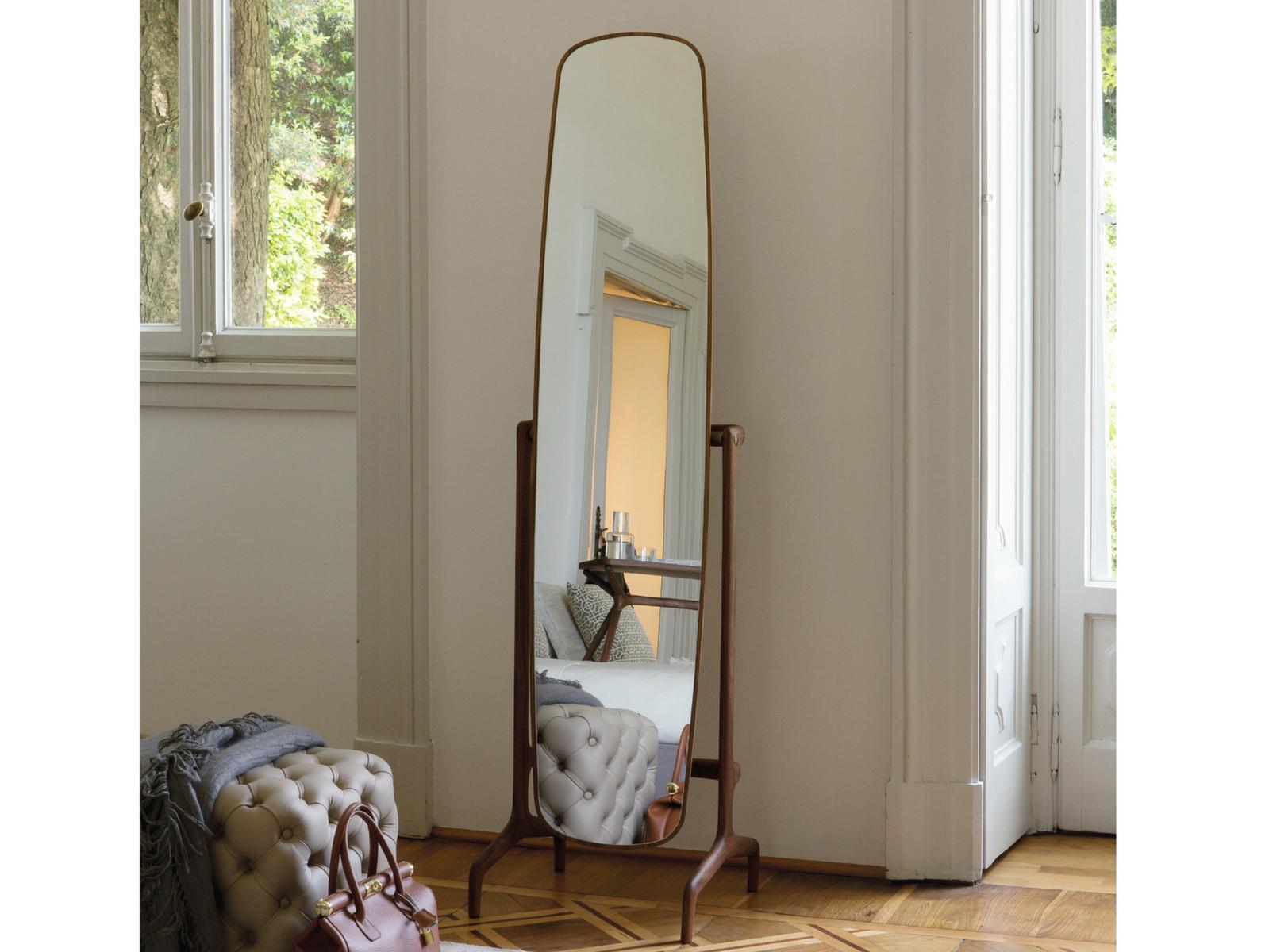
- Freestanding mirrors — ideal for bedrooms, dressing zones, and boutiques where placement may change.
- Table-top mirrors — compact solutions for vanities, desks, and makeup stations.
- Adjustable models — tilting, swivel, and double-sided designs for added everyday comfort.
Shapes, frames, and finishes
Mirrors should support the interior’s geometry and materials palette. The catalog includes:
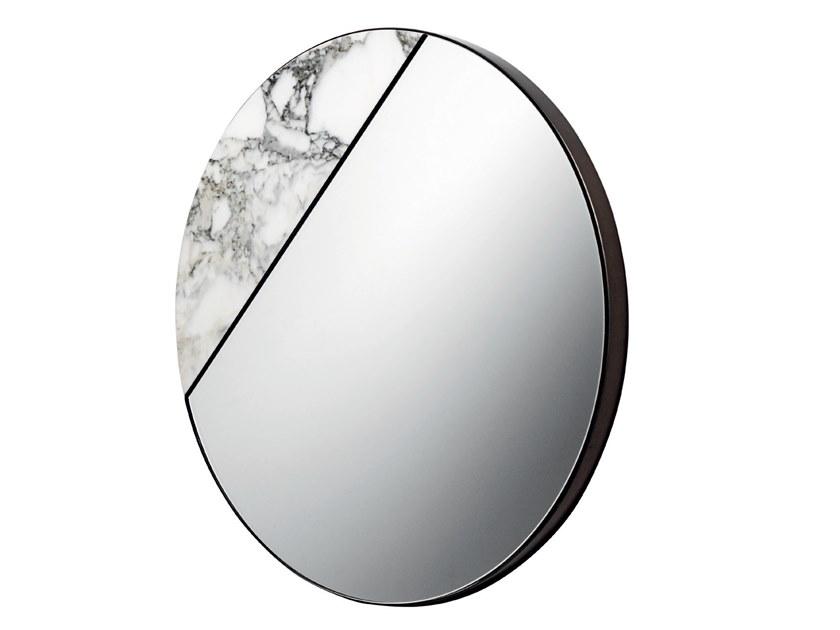
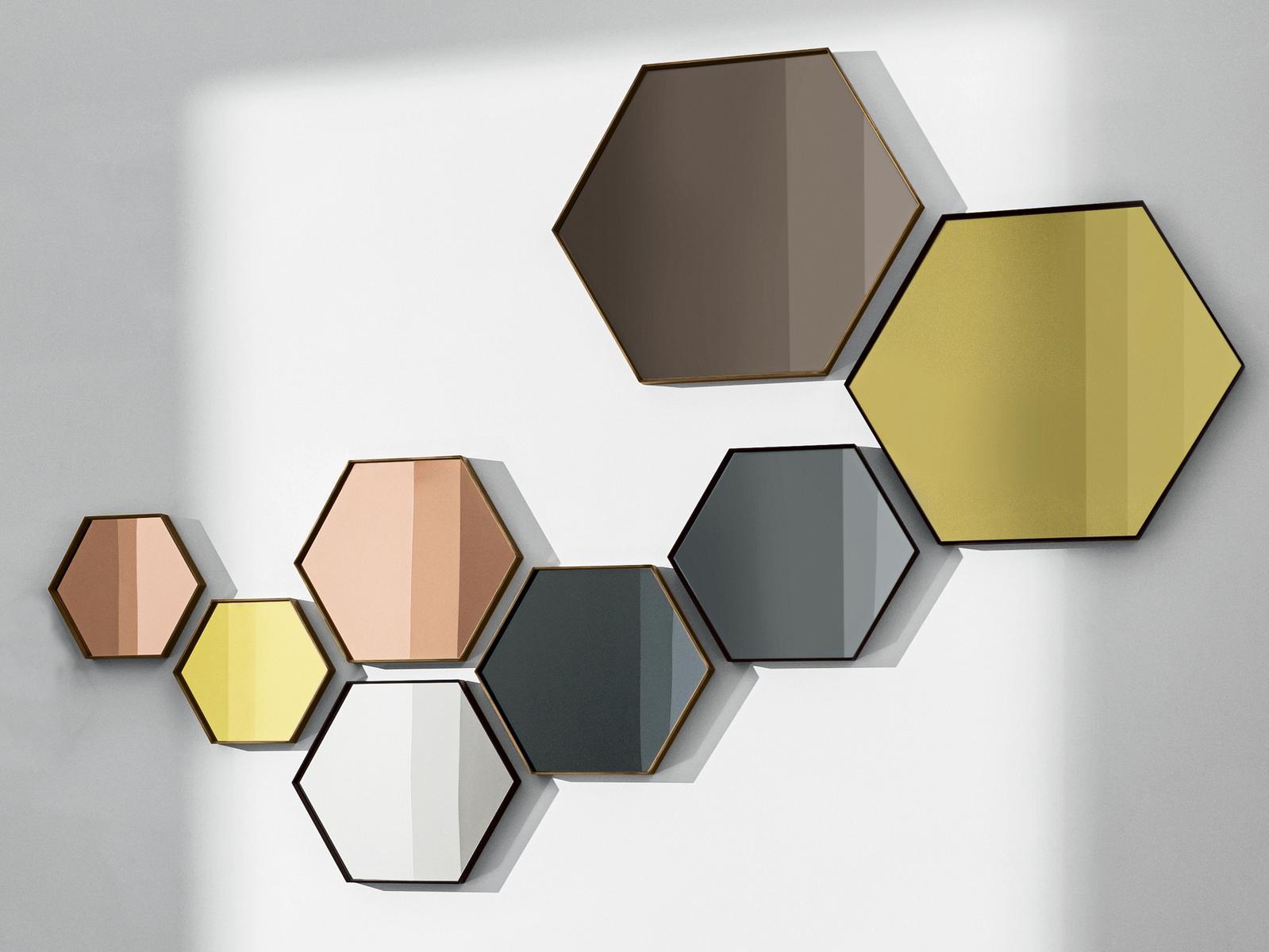
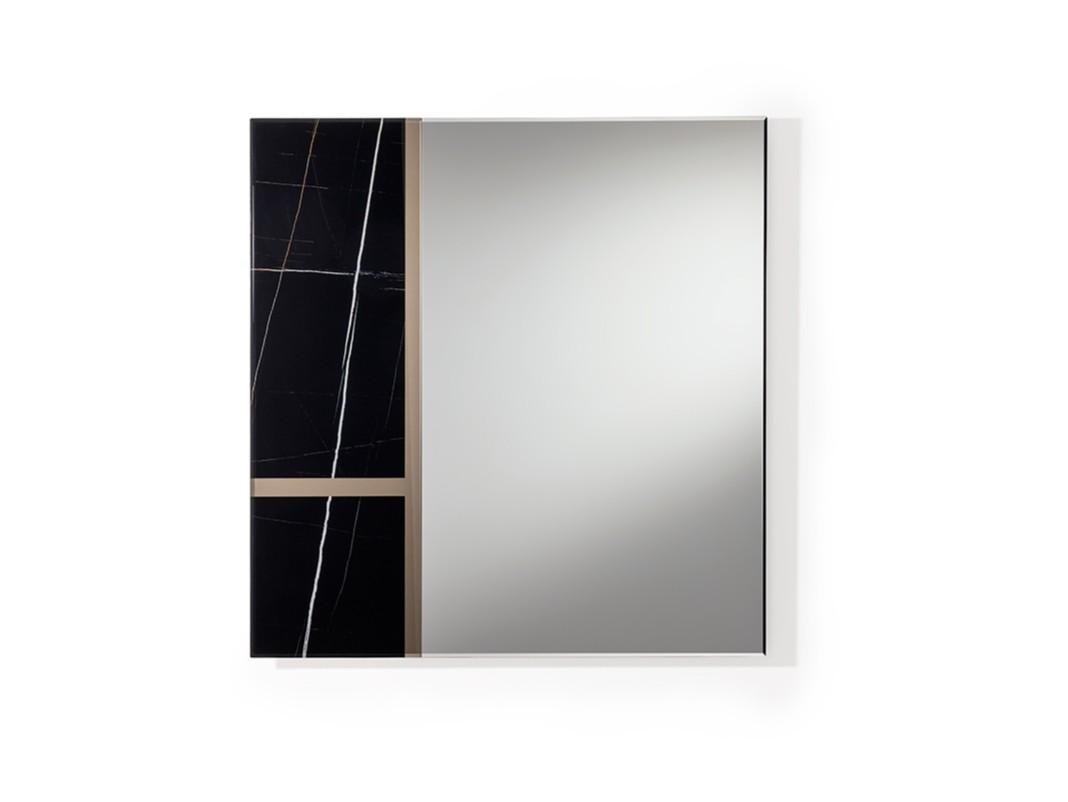
- Shapes: round, oval, rectangular, and square—use round/oval to soften strict lines, and rectangular to emphasize height or width.
- Types: framed and minimal designs; framed options add visual weight and help “anchor” a wall composition.
- Materials: glass and mirrored glass, solid wood and veneer, metal and steel, leather details, as well as natural stone accents.
- Colors: warm woods and walnut tones, brass and stainless steel, marble and onyx notes, and other finishes that coordinate with lighting and hardware.
Where mirrors work best
Home Decorations > Mirrors fit both residential and commercial interiors:
- Bathroom: wall-mounted and double-sided mirrors for daily routines, with finishes that align with faucets and lighting.
- Bedroom: freestanding or wall mirrors for dressing areas and wardrobe zones.
- Living room: large statement mirrors to reflect light, expand the space, and elevate a console or fireplace wall.
- Hotel and waiting areas: designer mirrors as architectural accents that make interiors feel more welcoming and memorable.
How to choose the right mirror
To avoid mismatched proportions and get the intended visual effect, pay attention to:
- Scale: match mirror width to the furniture beneath (console/vanity), and consider viewing distance for large walls.
- Installation: wall-mounted for clean integration, freestanding for flexibility, and adjustable designs for everyday convenience.
- Frame depth and visual weight: thicker frames suit classic and luxury styling; slim frames complement modern interiors.
- Room use: choose finishes and functionality based on where the mirror will be used (bathroom vs. bedroom vs. public space).
Many designer mirrors are offered as pre-order or with price upon request, which is typical for premium collections. EuroHouse makes selection easier with detailed filters by brand, style, room use, shape, materials, and installation—so the mirror fits the project from the first order.